OOmnilyra

AI Stained Glass Pattern Generator for Original Panels

Explore original window, suncatcher, and decorative panel concepts with readable lead lines, intentional color zones, and practical pattern presentation.

Original panel motifsClear lead-line structureColor-map and light previews

Stained glass pattern prompt examples

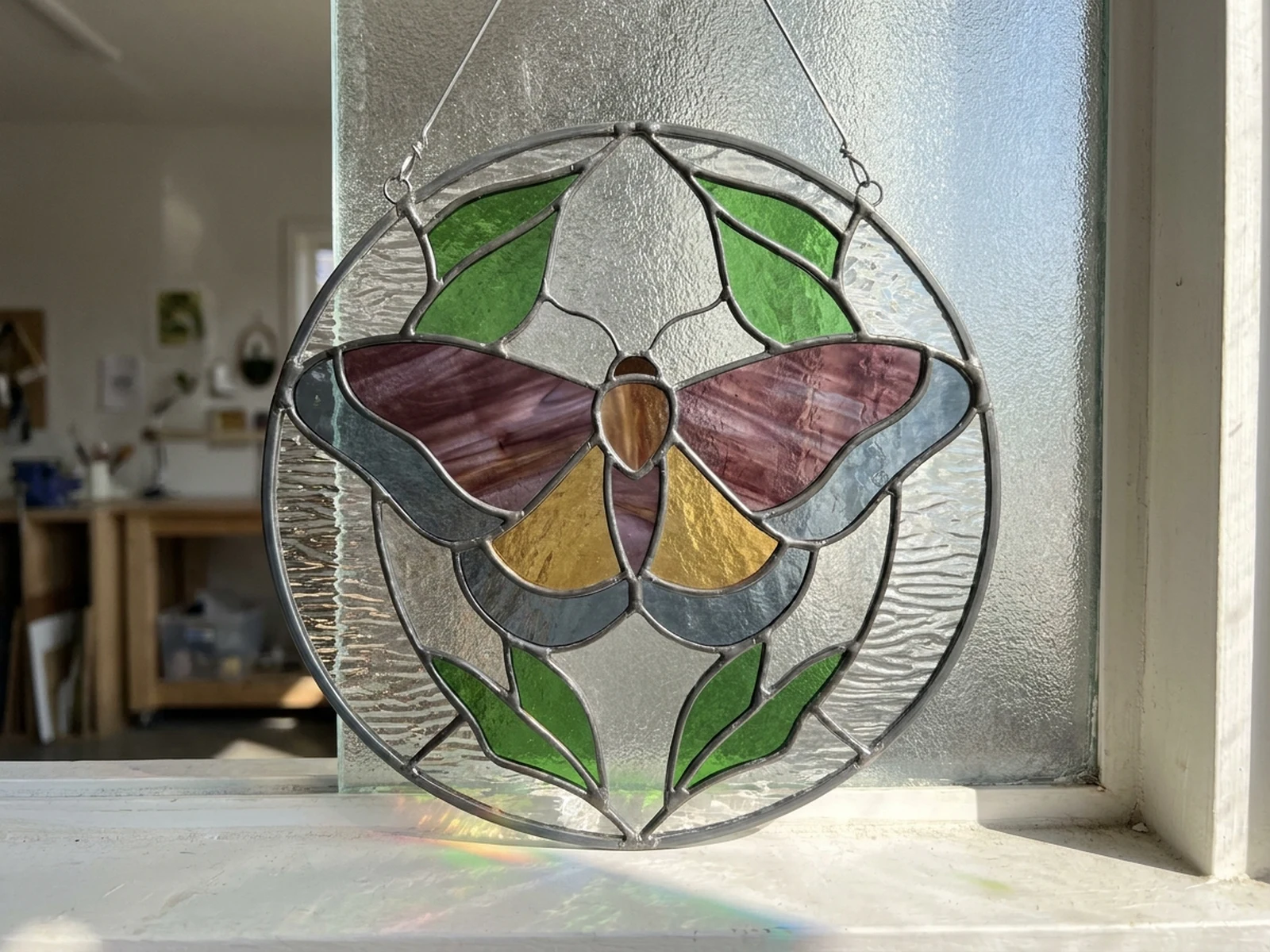
Compare suncatcher, geometric window, and pattern-sheet directions with different structural needs.

How to structure a stained glass prompt

Balance motif readability with lead-line continuity, practical piece sizes, and intentional transmitted light.

Subject

Define an original motif, panel silhouette, border, focal shapes, lead rhythm, and approximate piece scale.

Scene

Choose a window, craft display, suncatcher setting, architectural mockup, or flat pattern sheet.

Light

Describe backlight direction, glass transparency, texture, colored reflections, and contrast between lead and glass.

Output

Request a lit mockup, color map, lead-line plan, or clean template and note that fabrication requires expert review.

How to use the stained glass pattern generator

Design the panel as connected shapes, compare color and light, then prepare it for a glass artist's review.

01

Choose motif and panel shape

Set an original subject, dimensions, outer border, focal point, and intended window or hanging context.

02

Build lead and color logic

Specify continuous lead paths, manageable pieces, glass palette, texture, and backlight direction.

03

Validate before fabrication

Ask a stained glass artist to redraw templates and verify cuts, foil or came width, support, hanging, and safe assembly.

Stained glass pattern use cases

Create distinct concept views for decorative craft, interior planning, and collaborative fabrication.

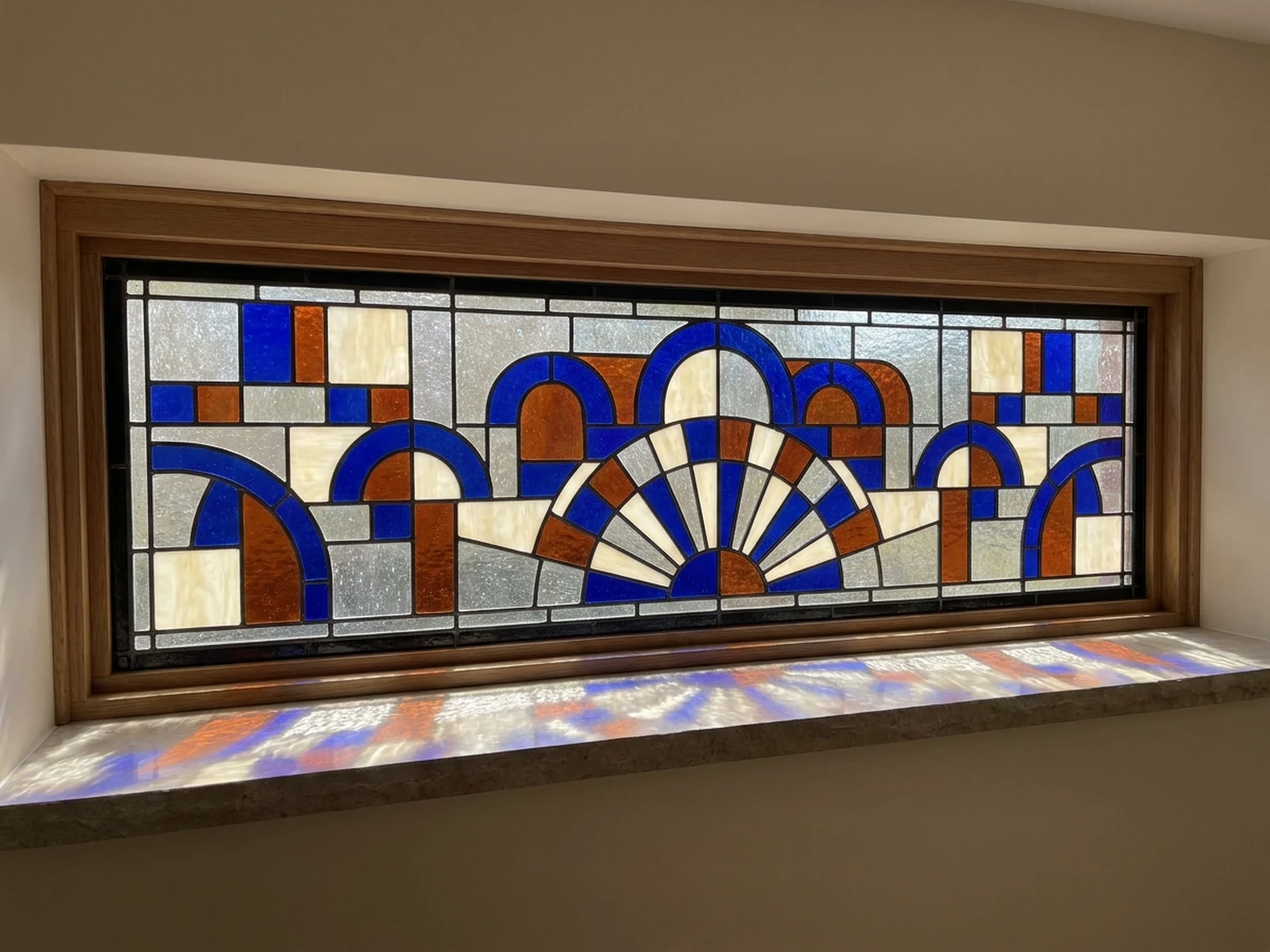
Window panel concepts

Explore original transom, cabinet, door, and room-divider patterns in an architectural preview.

Suncatcher designs

Develop compact hanging motifs with broad shapes and a clearly supported outer edge.

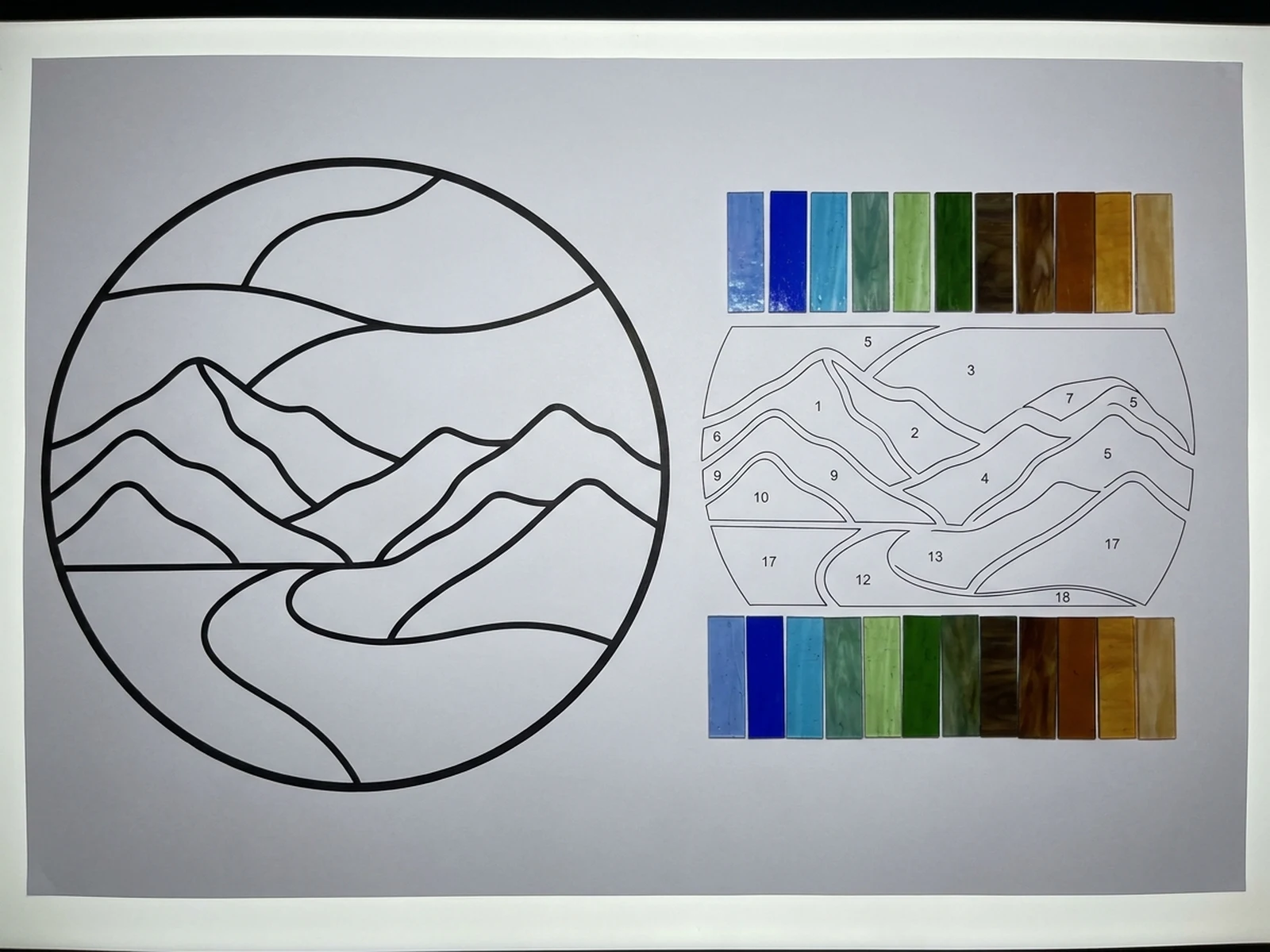
Craft planning sheets

Present clean lead lines and color zones as a starting point for expert template development.

Why choose Omnilyra for stained glass patterns

Omnilyra combines motif, structure, material, illumination, and output format in one visual brief.

Lead-line-aware prompts

Direct continuous boundaries, outer support, junction rhythm, and readable piece divisions.

Pattern and mockup views

Compare flat templates, color maps, suncatchers, and backlit architectural previews.

Fabrication-conscious framing

Concepts emphasize manageable forms while reserving final cuts, support, and safety for a glass specialist.

Try more pattern workspaces

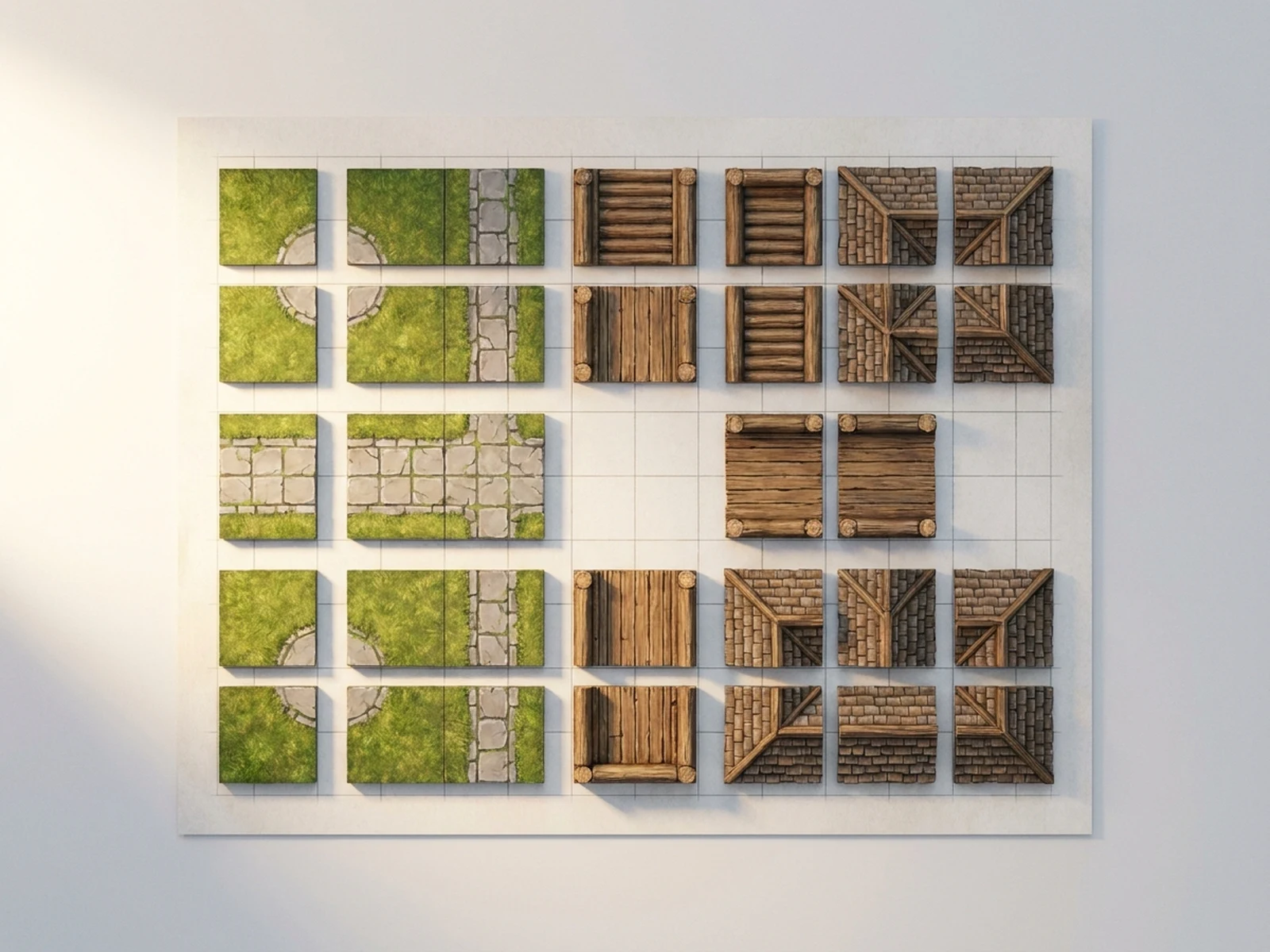
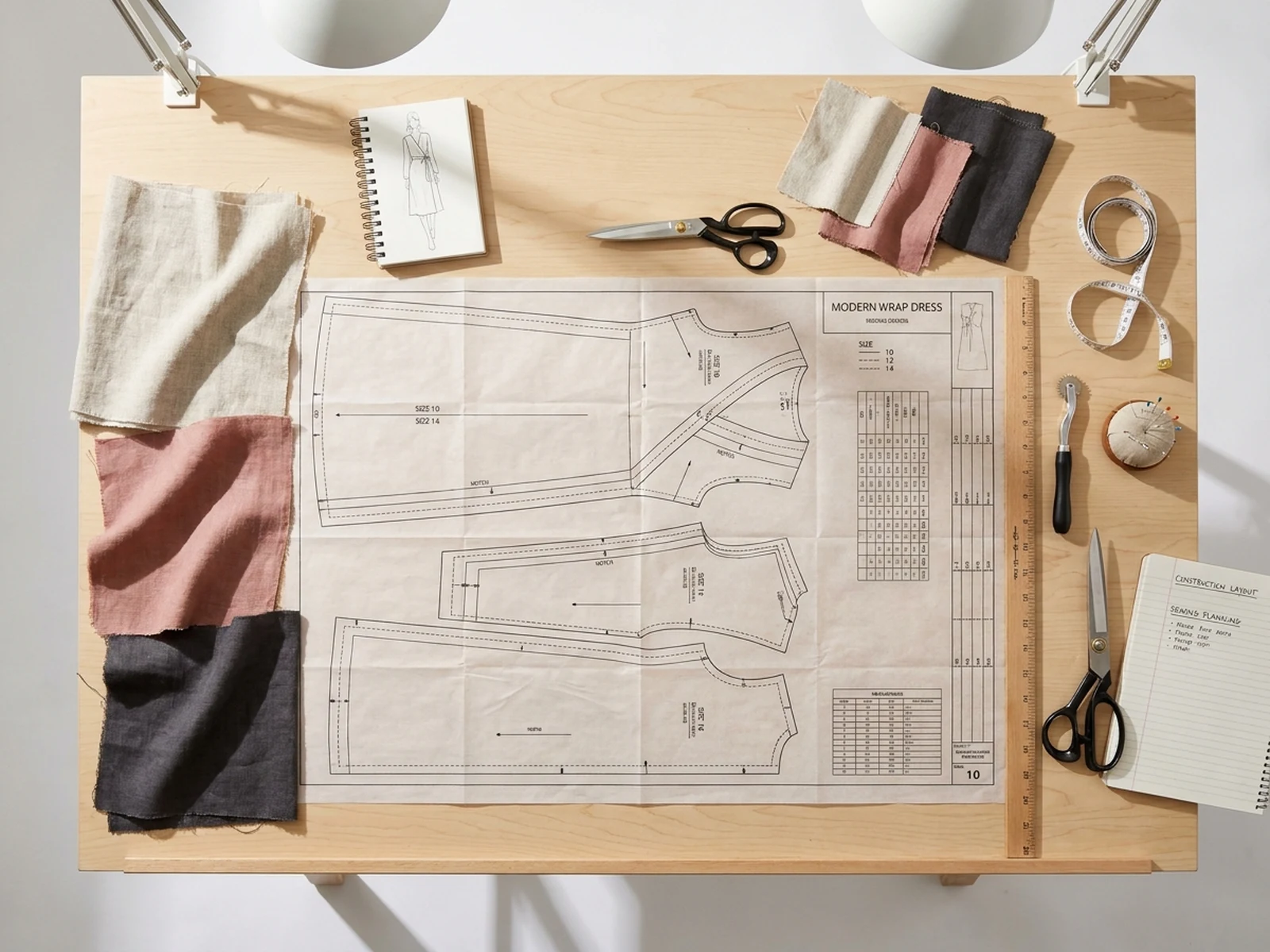
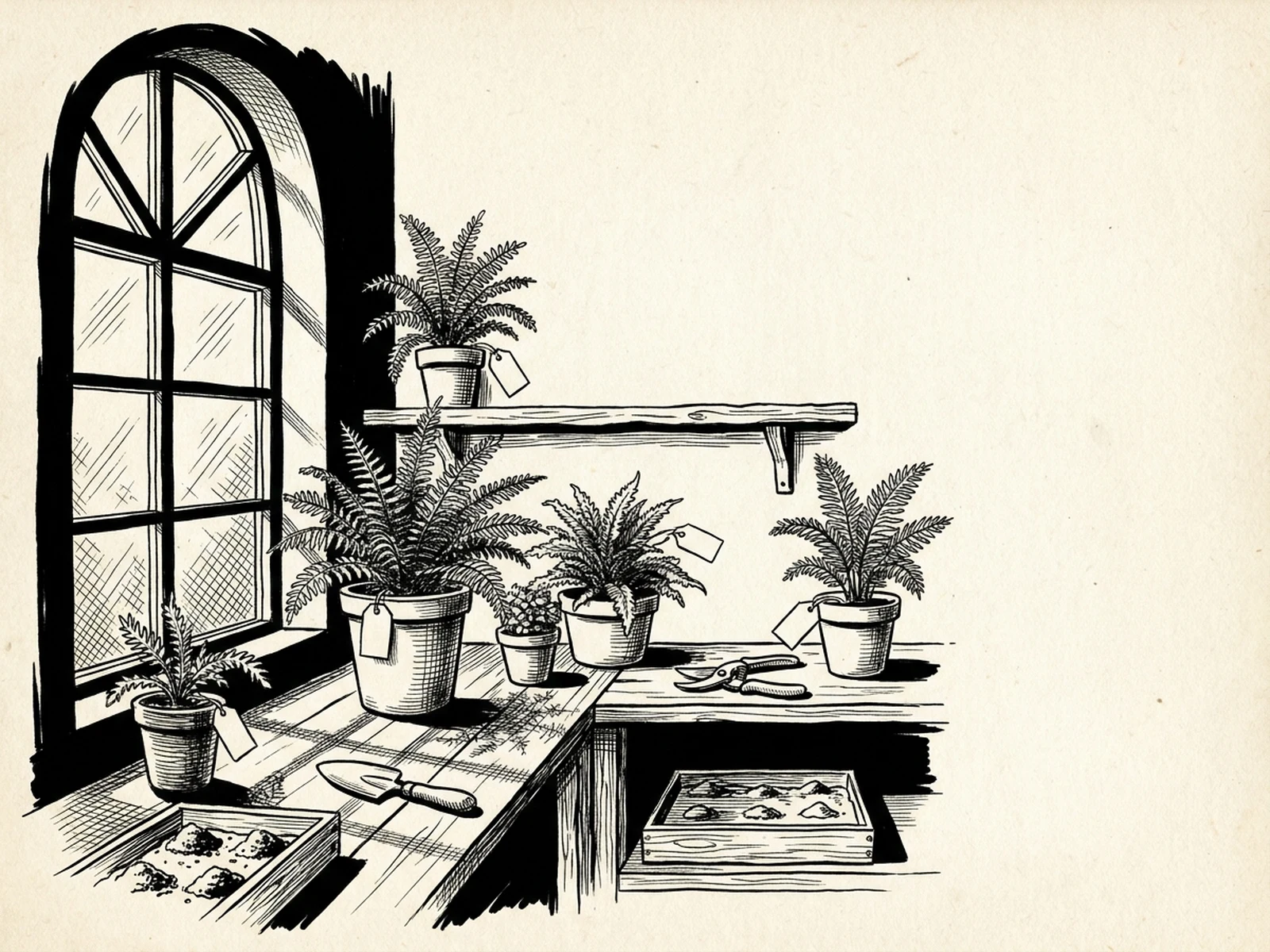
Continue with published tools for tiles, paper folding, and fabric surfaces.

AI Stained Glass Pattern Generator FAQ

Can it create a stained glass template?

It can create a visual pattern concept with lead lines and color zones, but a glass artist should redraw and verify the fabrication template.

How do I make shapes easier to cut?

Request broader pieces, fewer tight inward curves, clear borders, consistent lead width, and limited tiny fragments.

Can I copy a historic window or religious artwork?

Create an original motif and verify rights and cultural context before reusing any reference; do not copy protected artwork or insignia.

Is the generated pattern safe to build directly?

No. A professional must validate glass choice, cuts, foil or came, reinforcement, edge support, hanging hardware, and workshop safety.