OOmnilyra

AI Skin Texture Generator

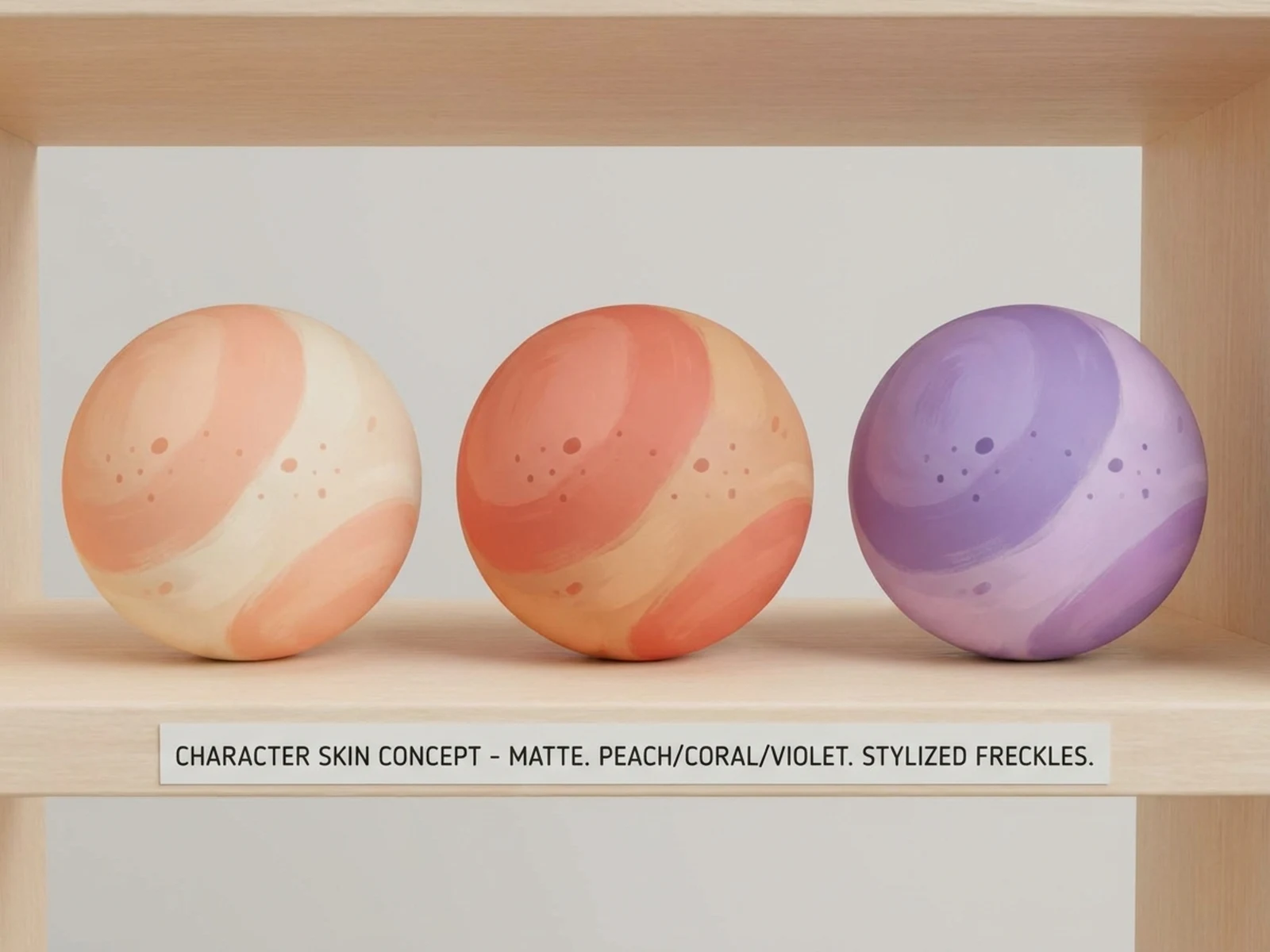
Create original digital skin materials, creature texture studies, stylized character surfaces, and 3D reference boards while controlling subject, scene, light, composition, and output format.

Digital material conceptsRoughness and color studiesCharacter and creature surfaces

AI Skin Texture Generator prompt examples

Start with these prompts, then adjust subject, scene, light, composition, and references in the workspace.

AI Skin Texture Generator prompt structure

A structured prompt makes the result easier to compare, reuse, and refine.

Subject

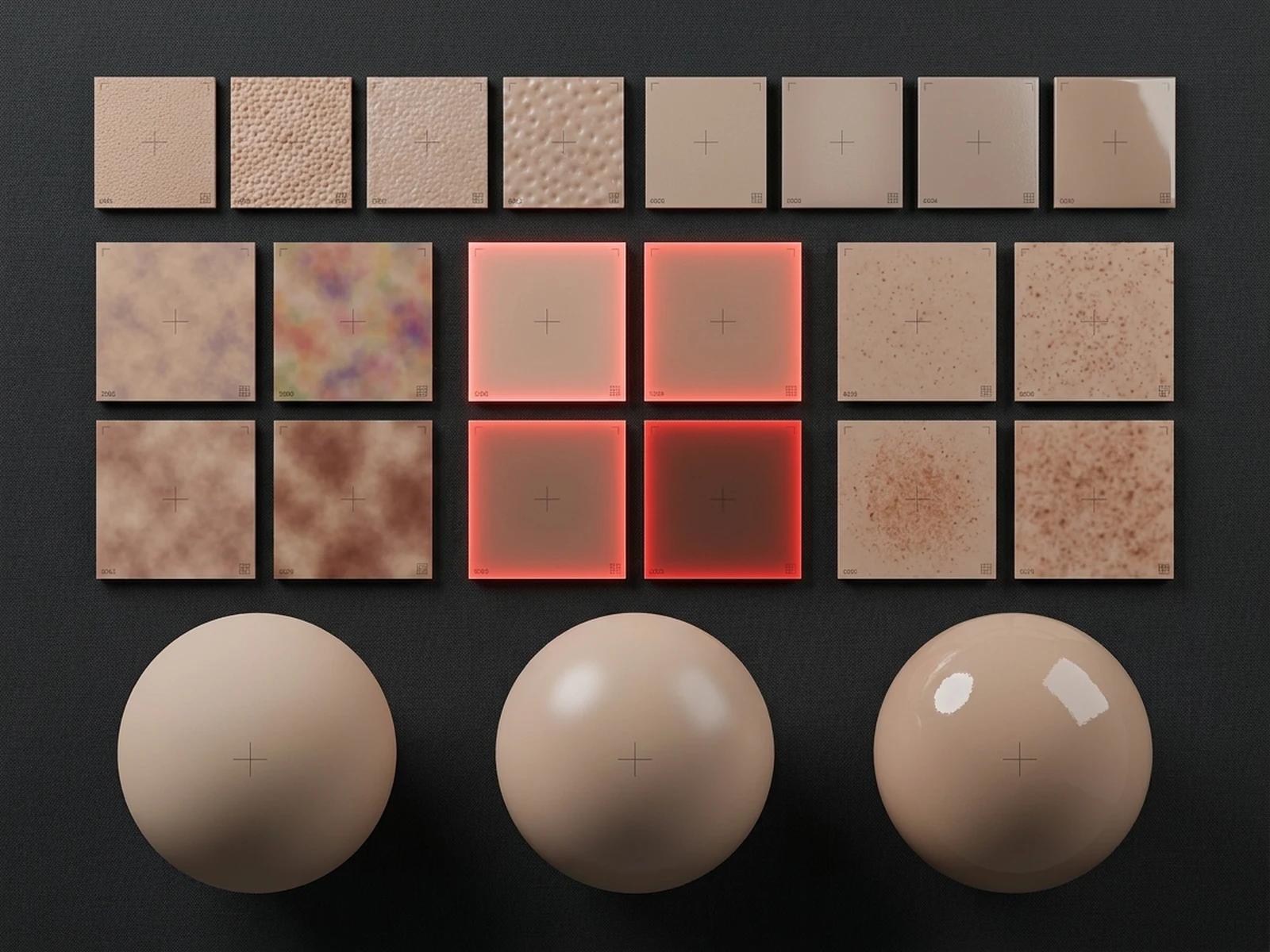
Digital material type, pore scale, color variation, roughness, subsurface appearance, freckles, scales, or stylized pattern.

Scene

Material sphere, flat swatch, character bust, creature concept, shader board, or neutral 3D presentation setup.

Light

Neutral material-test light, grazing highlights, subsurface glow, roughness readability, and color-calibrated presentation.

Output

Texture concept, shader reference, material board, stylized character surface, creature skin study, or look-development image.

How to use the AI Skin Texture Generator

Define one concrete goal, lock the visual variables, and then create channel-ready variants.

01

Define the exact result

Choose one target from Texture concept, shader reference, material board, stylized character surface, creature skin study, or look-development image.

02

Lock the visual variables

Specify Digital material type, pore scale, color variation, roughness, subsurface appearance, freckles, scales, or stylized pattern. Then set Material sphere, flat swatch, character bust, creature concept, shader board, or neutral 3D presentation setup.

03

Generate useful variants

Change angle, palette, composition, or channel format while keeping the core subject and reference cues consistent.

AI Skin Texture Generator use cases

These workflows focus on original digital skin materials, creature texture studies, stylized character surfaces, and 3D reference boards.

3D look development

Explore pore scale, roughness, color breakup, subsurface response, and lighting before shader authoring.

Stylized character materials

Build original painted, graphic, fantasy, and simplified skin directions for non-photoreal characters.

Creature surface concepts

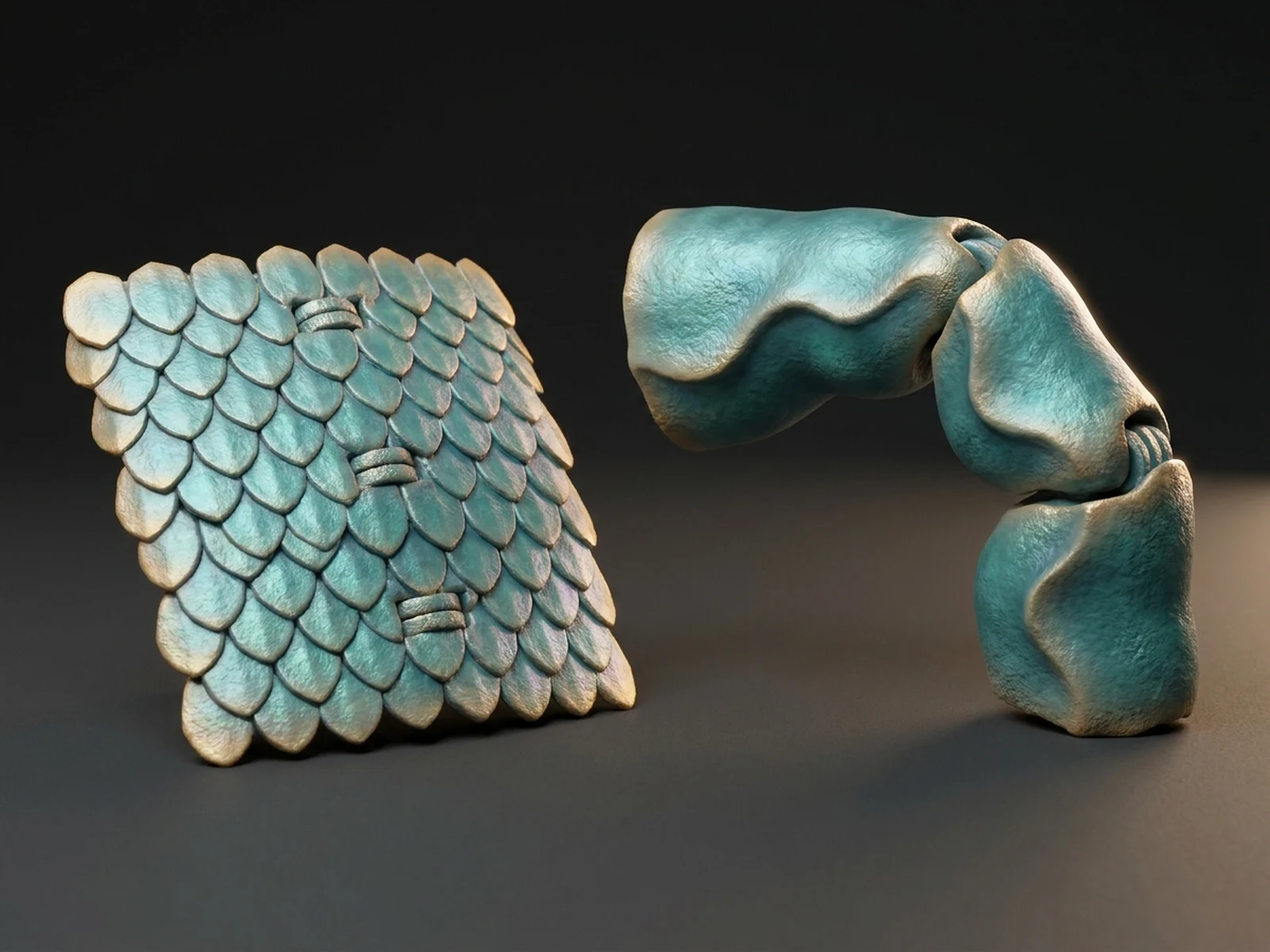
Create scale, amphibian, stone-skin, translucent, and patterned surface studies without gore.

Why choose Omnilyra for AI Skin Texture Generator

The workspace keeps prompts, references, examples, and output controls in one workflow.

Built around the search intent

The examples and workflow directly support original digital skin materials, creature texture studies, stylized character surfaces, and 3D reference boards.

Reference-guided control

Upload permitted references to preserve key visual cues while changing scene and format.

Reusable output system

Create Texture concept, shader reference, material board, stylized character surface, creature skin study, or look-development image. from the same reusable workspace.

Try more image workspaces

Continue with related image generation, editing, and campaign workflows.

AI Skin Texture Generator FAQ

What can the AI Skin Texture Generator create?

It can create original digital skin materials, creature texture studies, stylized character surfaces, and 3D reference boards.

What should the prompt include?

Include Digital material type, pore scale, color variation, roughness, subsurface appearance, freckles, scales, or stylized pattern. Then add Material sphere, flat swatch, character bust, creature concept, shader board, or neutral 3D presentation setup.

Can I upload a reference image?

Yes. Upload only images you have permission to use to guide subject, palette, material, pose, or layout consistency.

What should I review before using the result?

These are artistic material concepts, not medical images or diagnoses; avoid identity inference and validate technical texture maps in the target 3D pipeline.