OOmnilyra

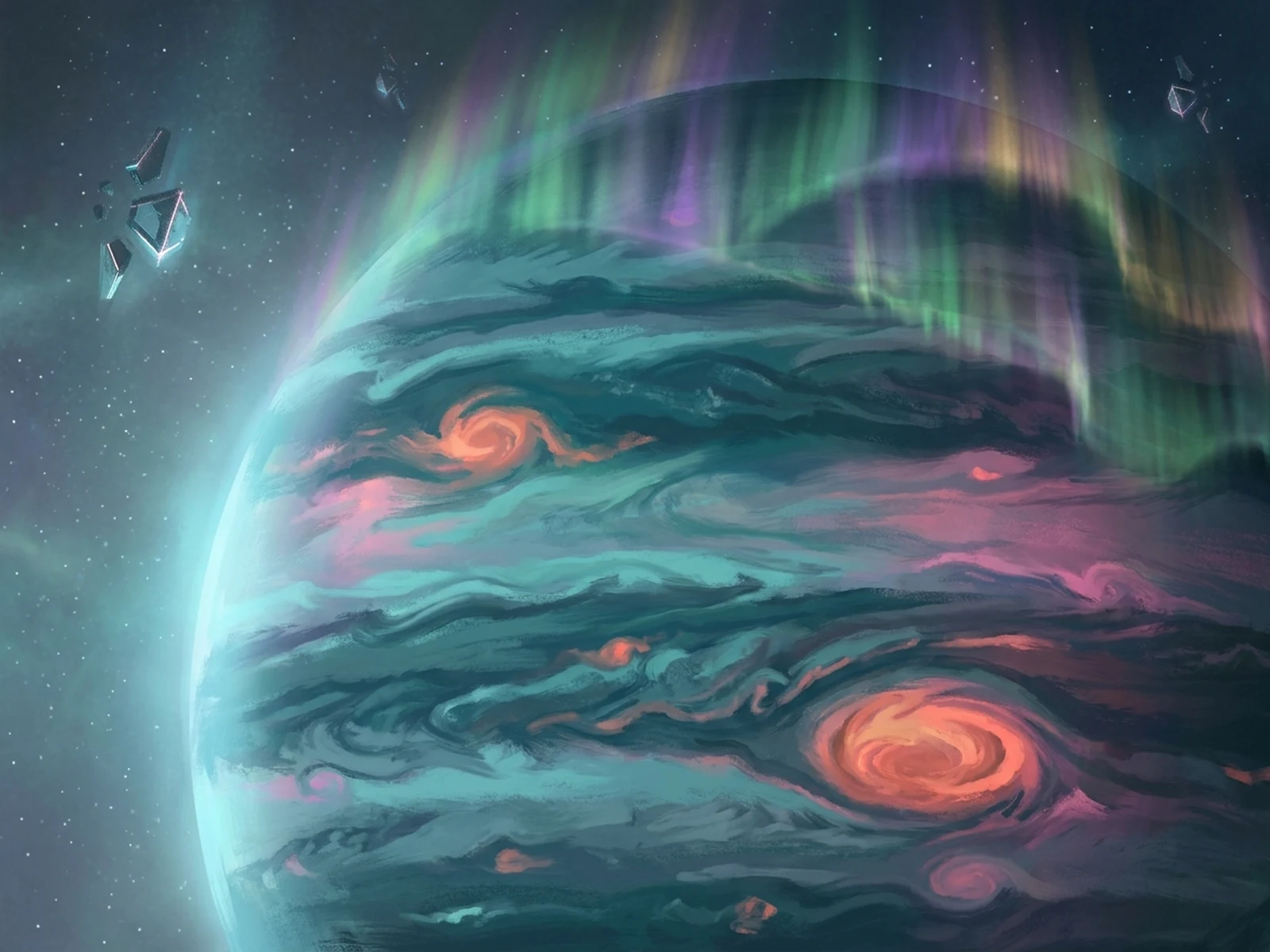
AI Planet Generator for Imagined Worlds

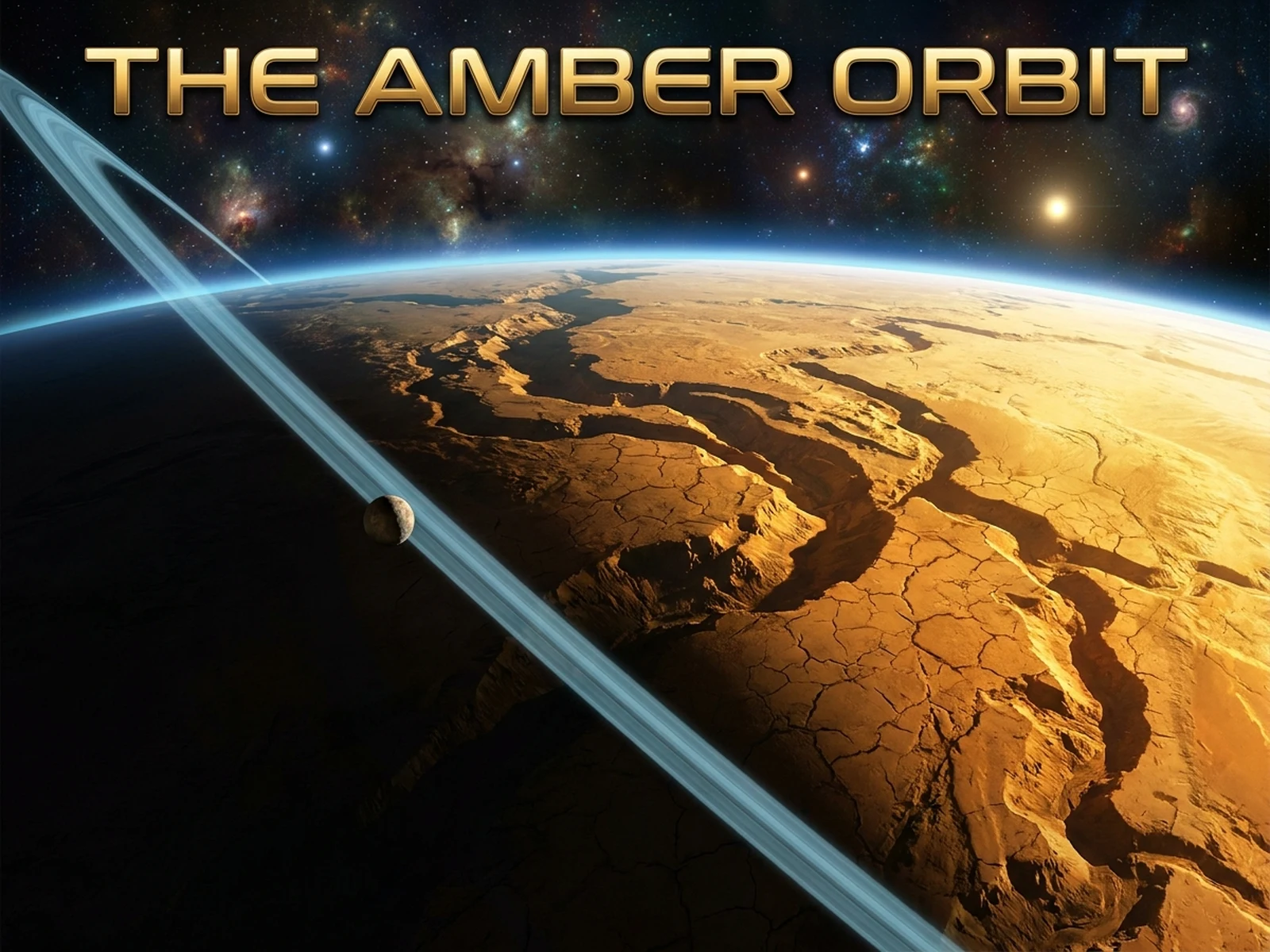
Design fictional planets by directing terrain, atmosphere, rings, moons, color, scale, and camera angle for worldbuilding—not scientific observation or astronomy evidence.

Fiction-first worldbuildingAtmosphere and terrain controlPoster-ready space scenes

AI Planet Generator prompt examples

Use distinct fictional environments and art directions to explore worlds for narratives, games, covers, and educational storytelling.

How to structure an AI planet prompt

Strong prompts define the visual rules of an invented world while keeping the result clearly in the realm of creative concept art.

Subject

Name the fictional planet type, surface features, atmosphere, rings, moons, and dominant colors.

Scene

Describe the invented space backdrop, nearby bodies, orbital context, and amount of visual detail.

Light

Set a fictional star direction, rim light, terminator, aurora glow, or atmospheric scattering effect.

Output

Request a game concept, matte painting, cover illustration, poster, storybook spread, or map-inspired view.

How to use the AI Planet Generator

Start from a narrative purpose, create a coherent visual system, and label outputs appropriately when sharing them.

01

Choose a fictional world type

Define terrain, atmosphere, climate cues, rings, moons, and color logic that support your story or design brief.

02

Direct the orbital view

Specify light direction, camera distance, visible limb, surrounding space, and where negative space is needed.

03

Review creative clarity

Check that features remain coherent and present the image as concept art, not a telescope capture or verified scientific finding.

AI planet concept use cases

The workspace supports imaginative visual development where accuracy claims are neither needed nor implied.

Game and story worldbuilding

Explore distinct home worlds, destinations, climates, and orbital silhouettes before production.

Book covers and posters

Create strong celestial focal points with controlled space for typography and campaign layouts.

Creative learning visuals

Illustrate speculative prompts and classroom storytelling while clearly identifying invented features.

Why choose Omnilyra for fictional planet art

Structured controls help creators vary atmosphere and composition without confusing imagination with observation.

Worldbuilding-specific direction

Prompts keep terrain, atmosphere, rings, moons, and narrative role visible throughout exploration.

Reference-guided visual continuity

Permitted references can preserve palette and art direction across a fictional planetary system.

Flexible creative formats

Generate orbital portraits, wide scenes, covers, game concepts, and storybook illustrations with one workspace.

Try more image workspaces

Continue building fictional settings and presentation-ready visuals with published image tools.

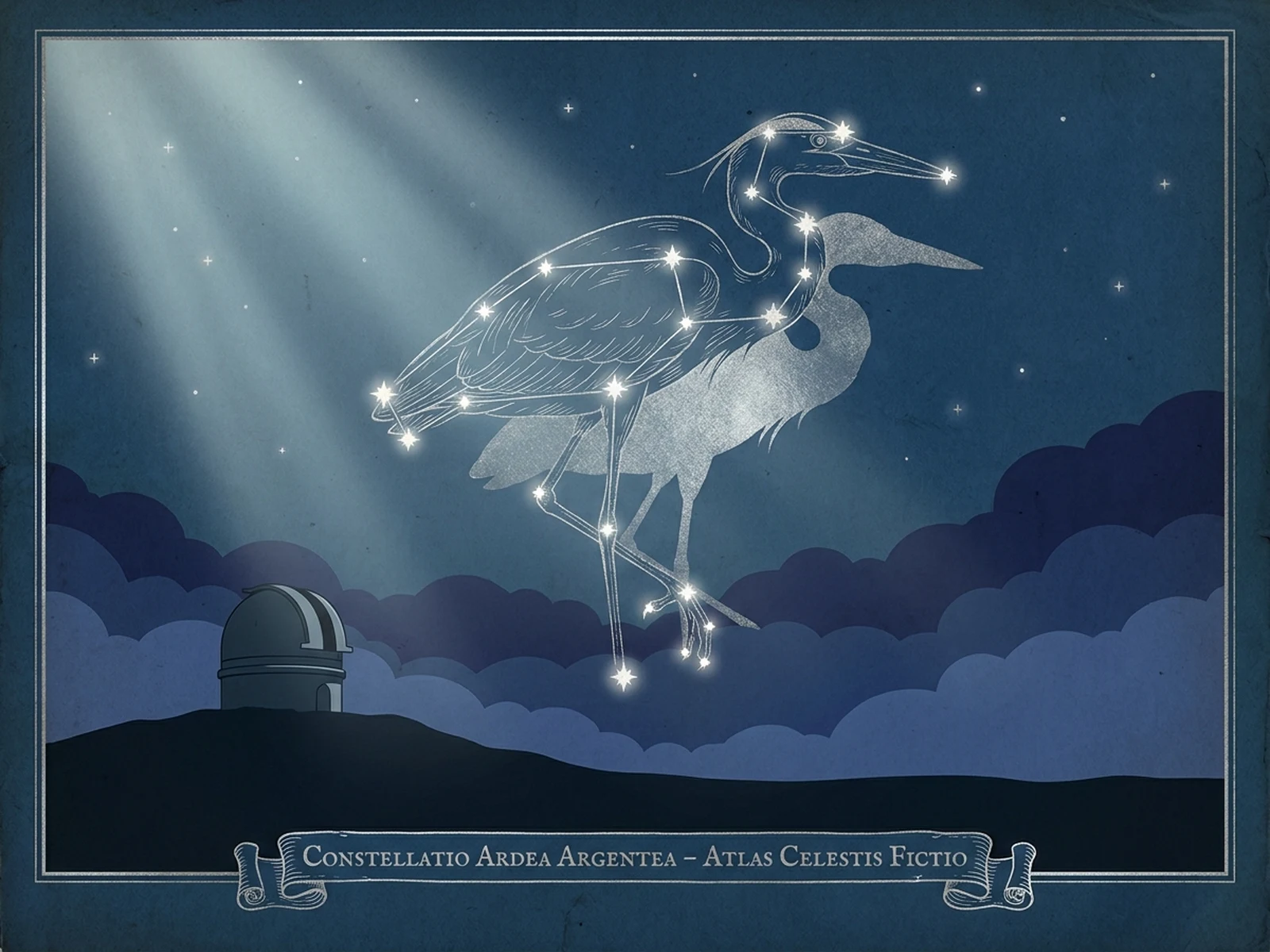
Original silver heron constellation above a midnight observatory landscape

Turn stars, connecting lines, myths, color palettes, and night-sky settings into original constellation posters and fictional celestial maps. Creative outputs are not astronomy charts or navigation references.

Try now

AI Constellation Generator for Celestial Art

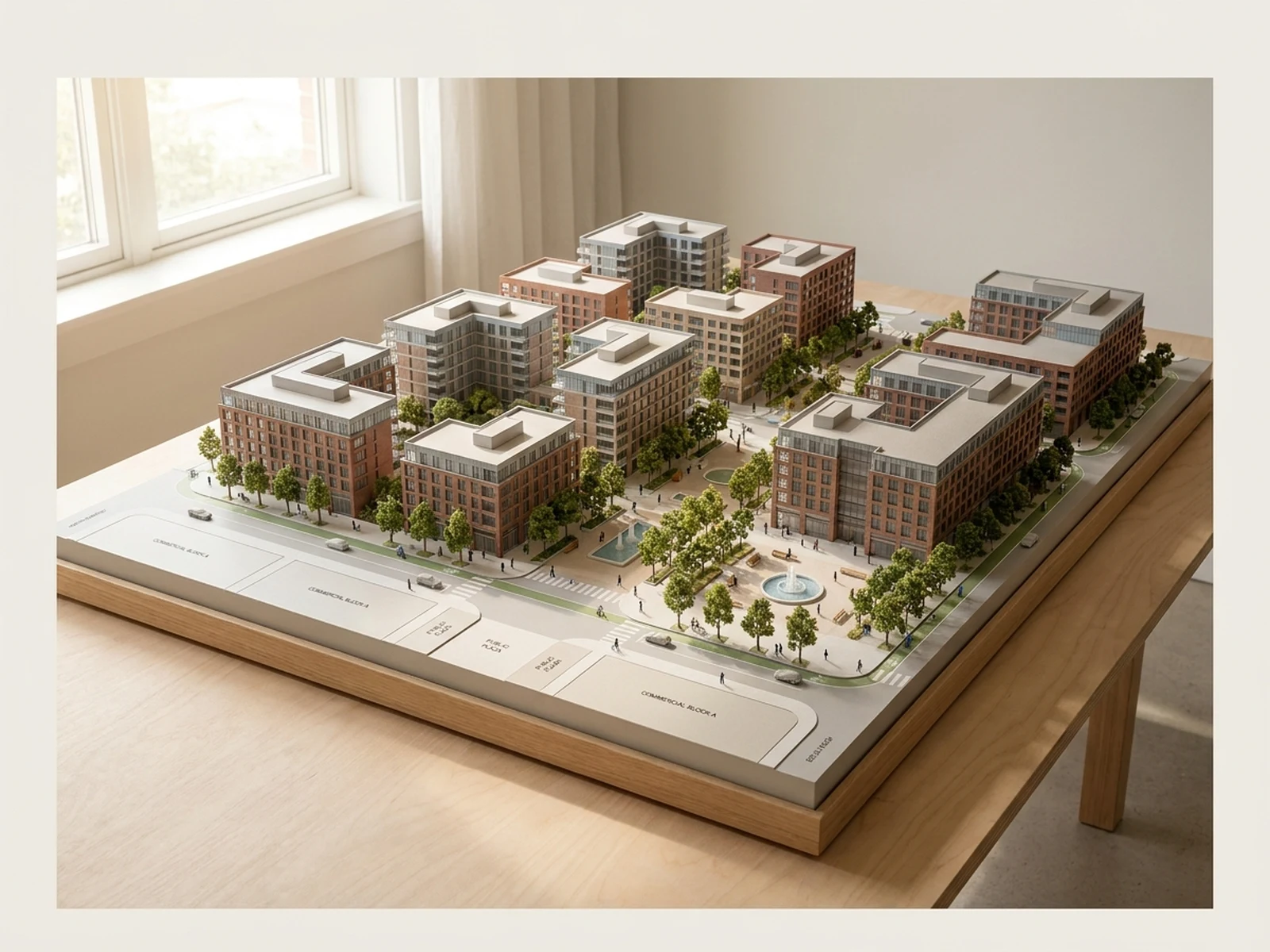
AI Urban Planning Generator hero image for urban planning concepts and city scenes with clear subject detail and polished composition

Create urban planning concepts and city scenes with an AI image workspace tuned for AI urban planning generator searches. Control subject detail, scene, lighting, crop, and references before generating variants.

Try now

AI Urban Planning Generator

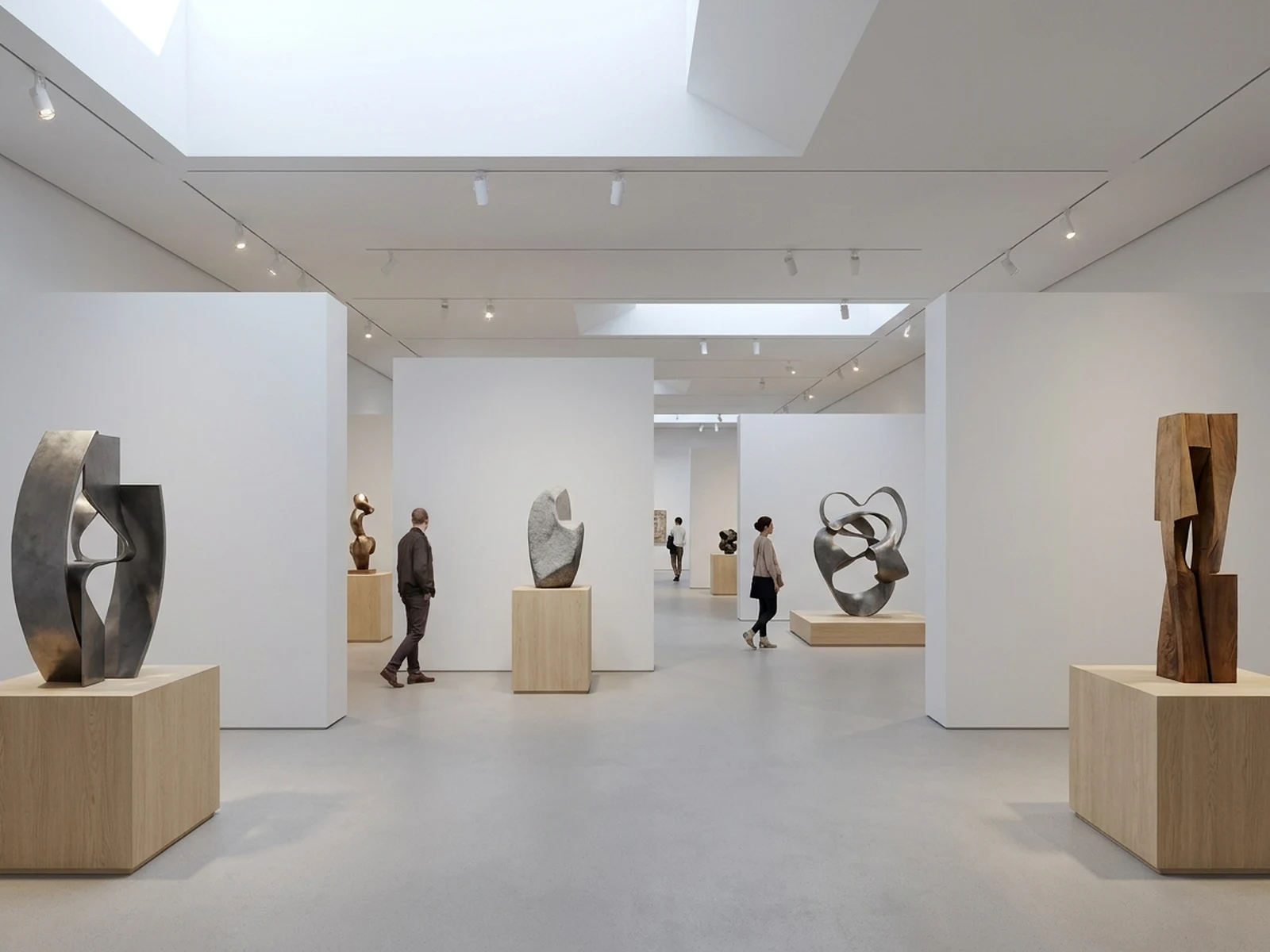
Contemporary exhibition gallery with modular walls and original sculptures

Create exhibition layouts, gallery interiors, booth concepts, visitor-flow boards, and event presentation visuals while controlling subject, scene, light, composition, and output format.

Try now

AI Exhibition Generator

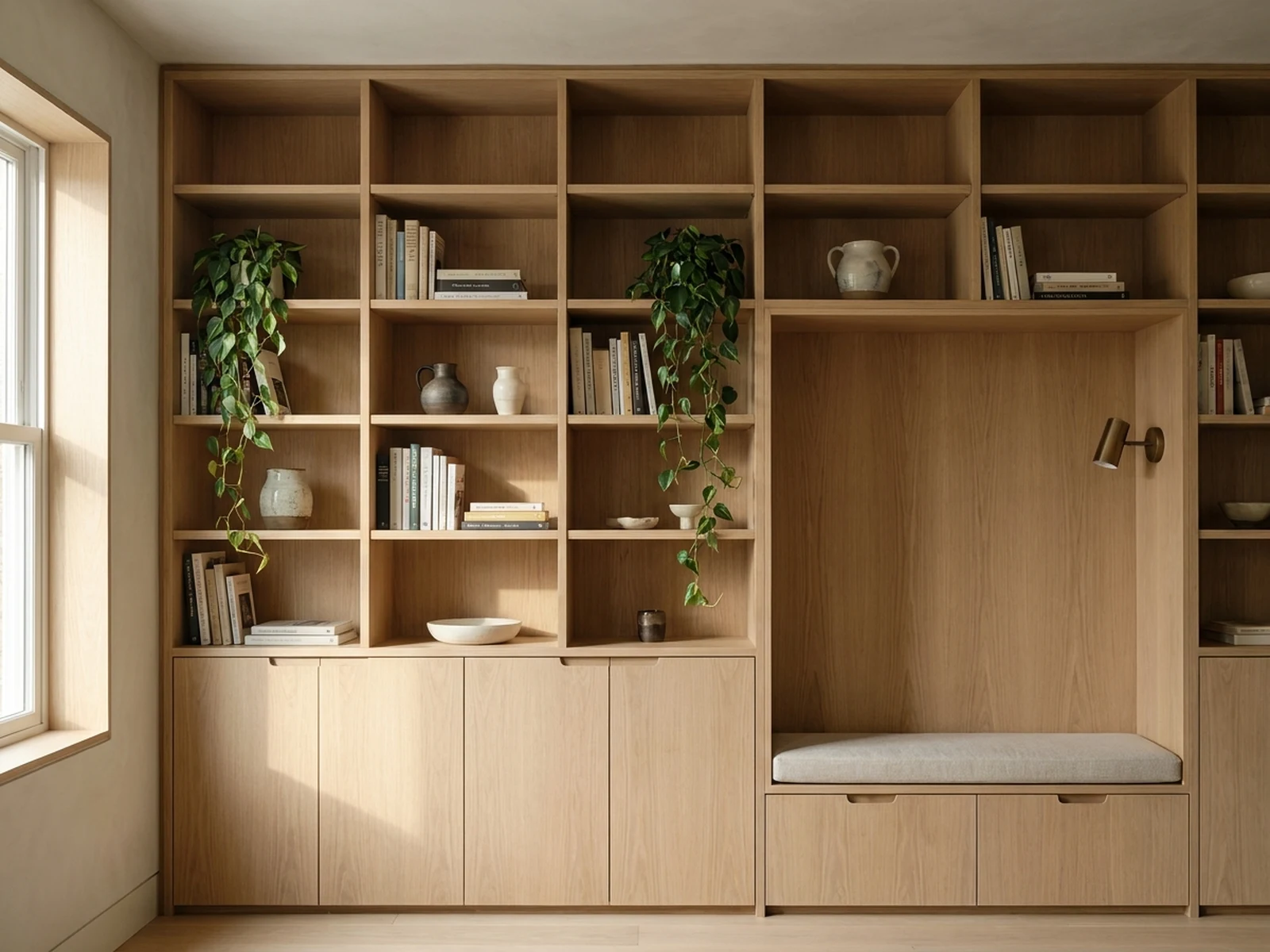
Warm oak built-in shelving concept with balanced books and objects

Explore built-ins, modular units, retail shelving, and styled bookcases by defining dimensions, materials, load purpose, spacing, room context, and viewing angle.

Try now

AI Shelves Generator for Storage and Display Ideas

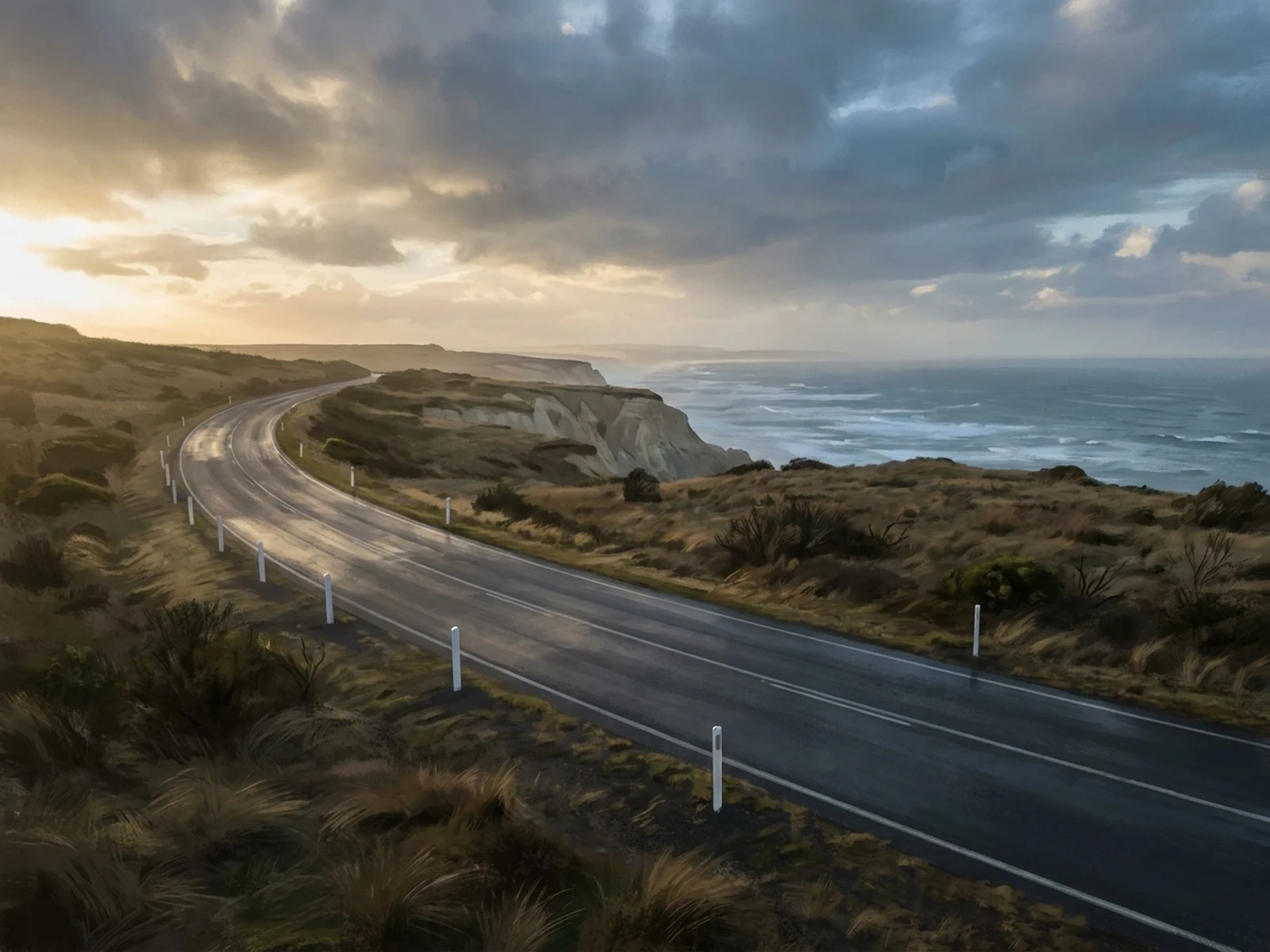
Conceptual coastal road curving through a fictional landscape

Visualize fictional highways, rural lanes, city streets, and story routes for art direction and mood exploration. Outputs are conceptual images—not civil engineering drawings, traffic plans, survey data, or safety guidance.

Try now

AI Road Generator for Scenic Concept Art

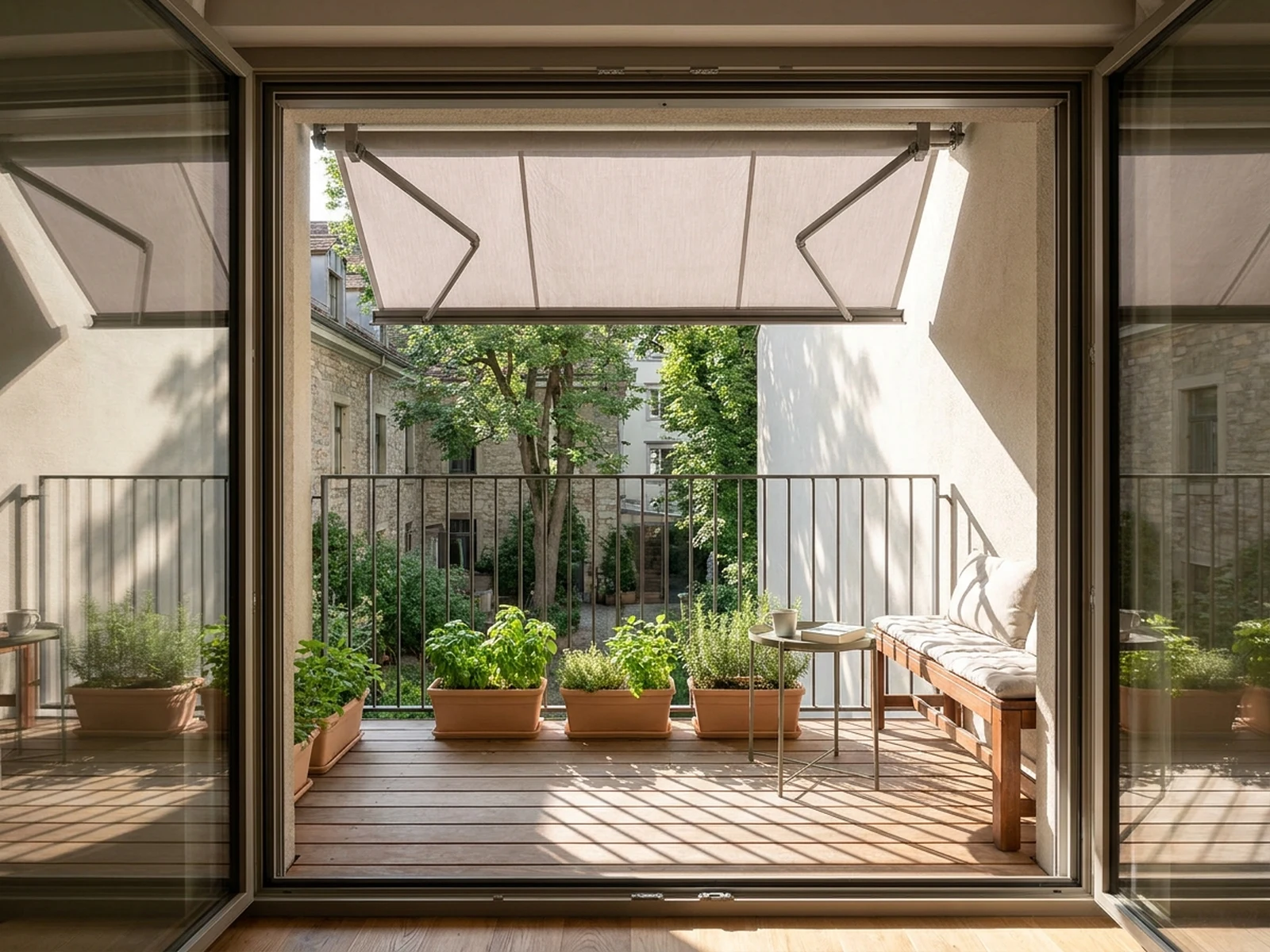
Conceptual compact balcony with planters and a small reading seat

Explore furniture, planting, shade, lighting, color, and seasonal mood for fictional or authorized balcony images. Results are concept visuals—not structural design, guardrail approval, fire-code review, waterproofing, or load guidance.

Try now

AI Balcony Generator for Visual Design Ideas

AI Planet Generator FAQ

Does the AI Planet Generator create scientifically verified planets?

No. It creates fictional visual concepts and should not be presented as telescope data, a real discovery, or scientifically validated observation.

What should an AI planet prompt include?

Include terrain, atmosphere, cloud behavior, rings or moons, colors, light direction, camera distance, background, and intended creative format.

Can I use generated planets in a game or story pitch?

Yes. They are well suited to concept development, mood boards, covers, and pitch visuals, subject to your project’s review and usage requirements.

Can I upload a space-image reference?

Yes, if you have permission to use it. Use it for palette or composition guidance and keep the generated result labeled as fictional concept art.