OOmnilyra

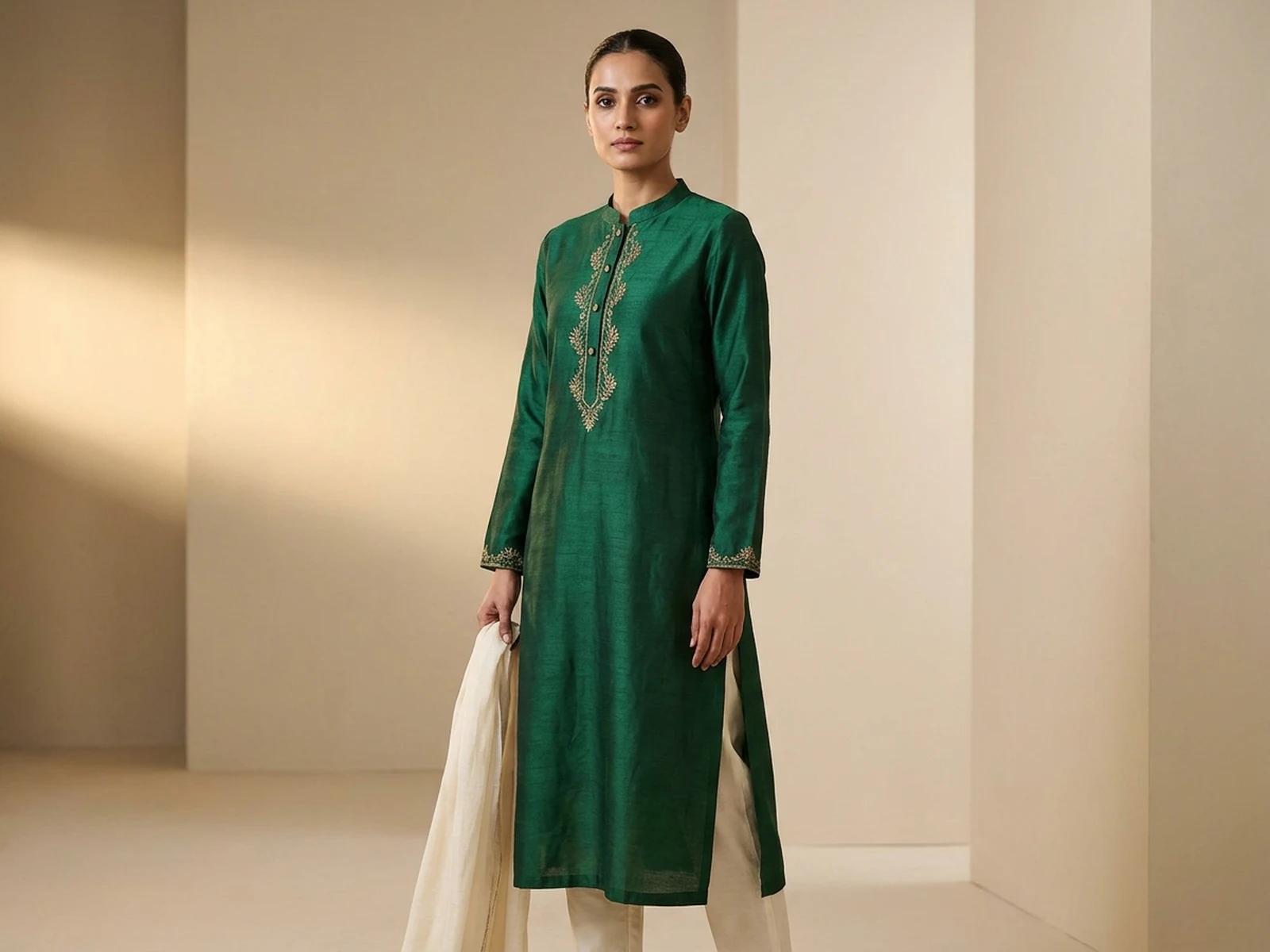
AI Kurta Generator for Original, Respectful Styling

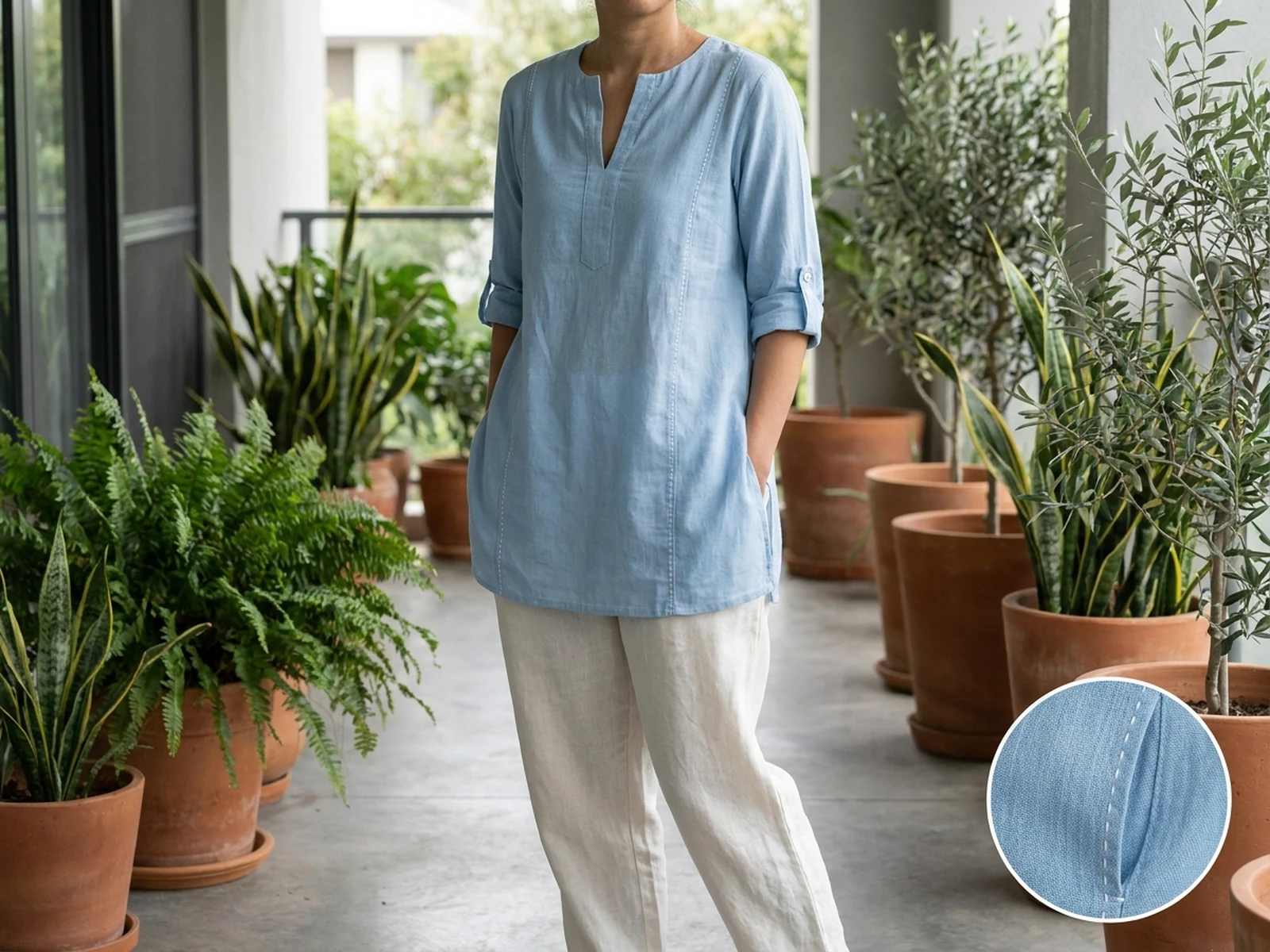
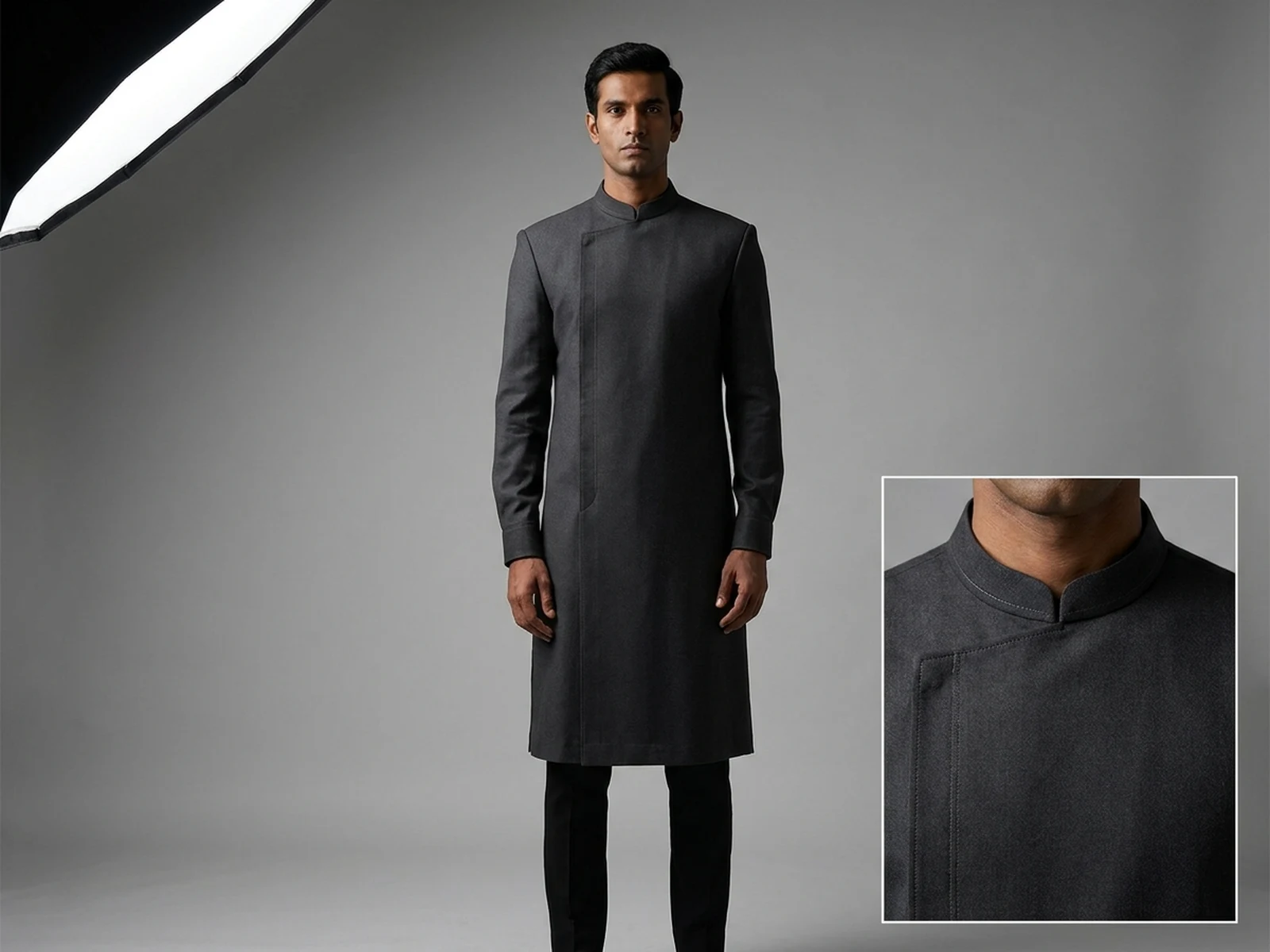
Visualize kurta silhouettes, fabrics, collars, embroidery, and coordinated layers for fictional adults or authorized portraits. Describe a specific regional or ceremonial context accurately when relevant, and avoid presenting invented details as authentic tradition.

Original garment conceptsCulturally respectful directionAuthorized adult edits

AI kurta prompt examples

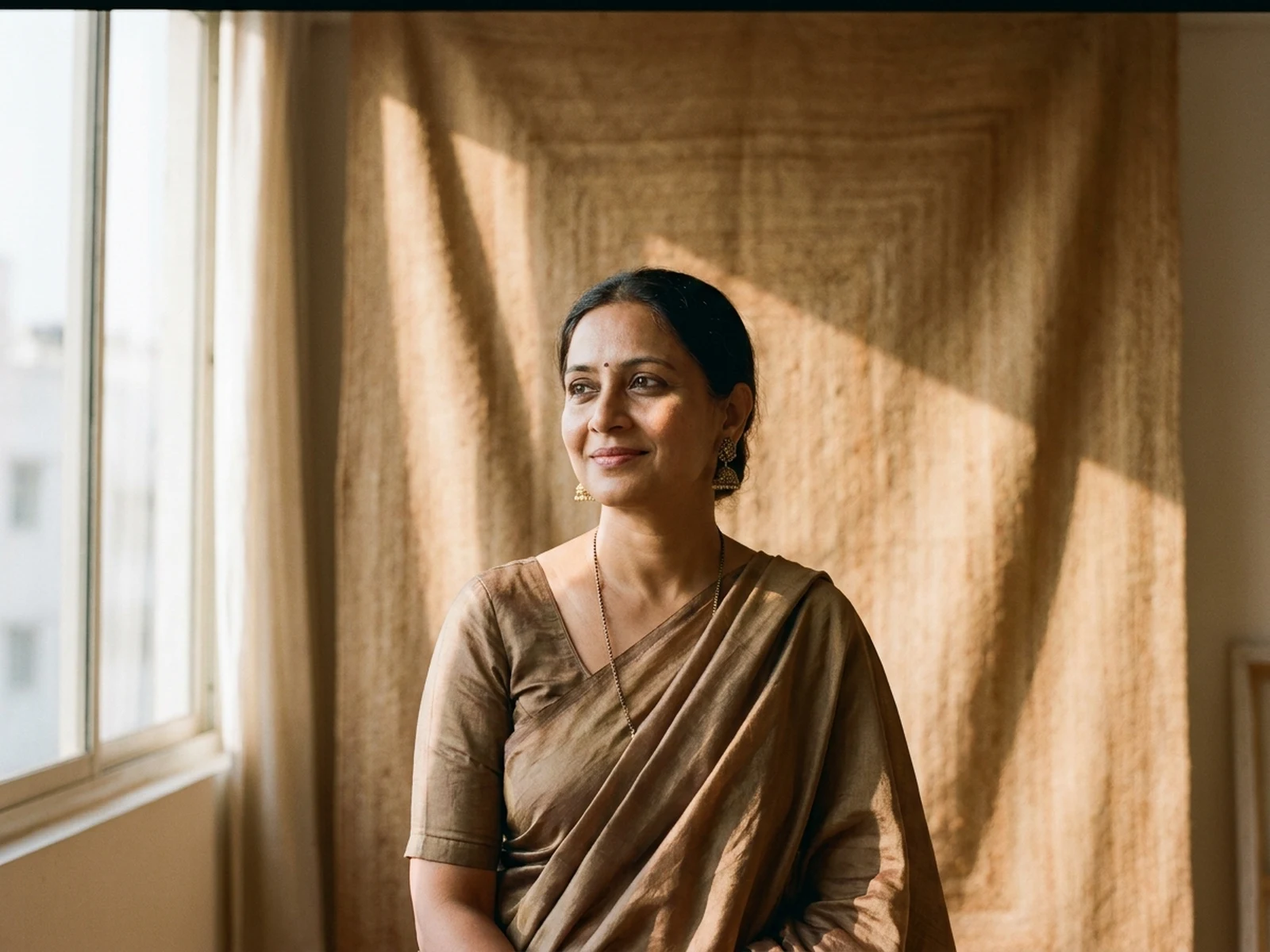
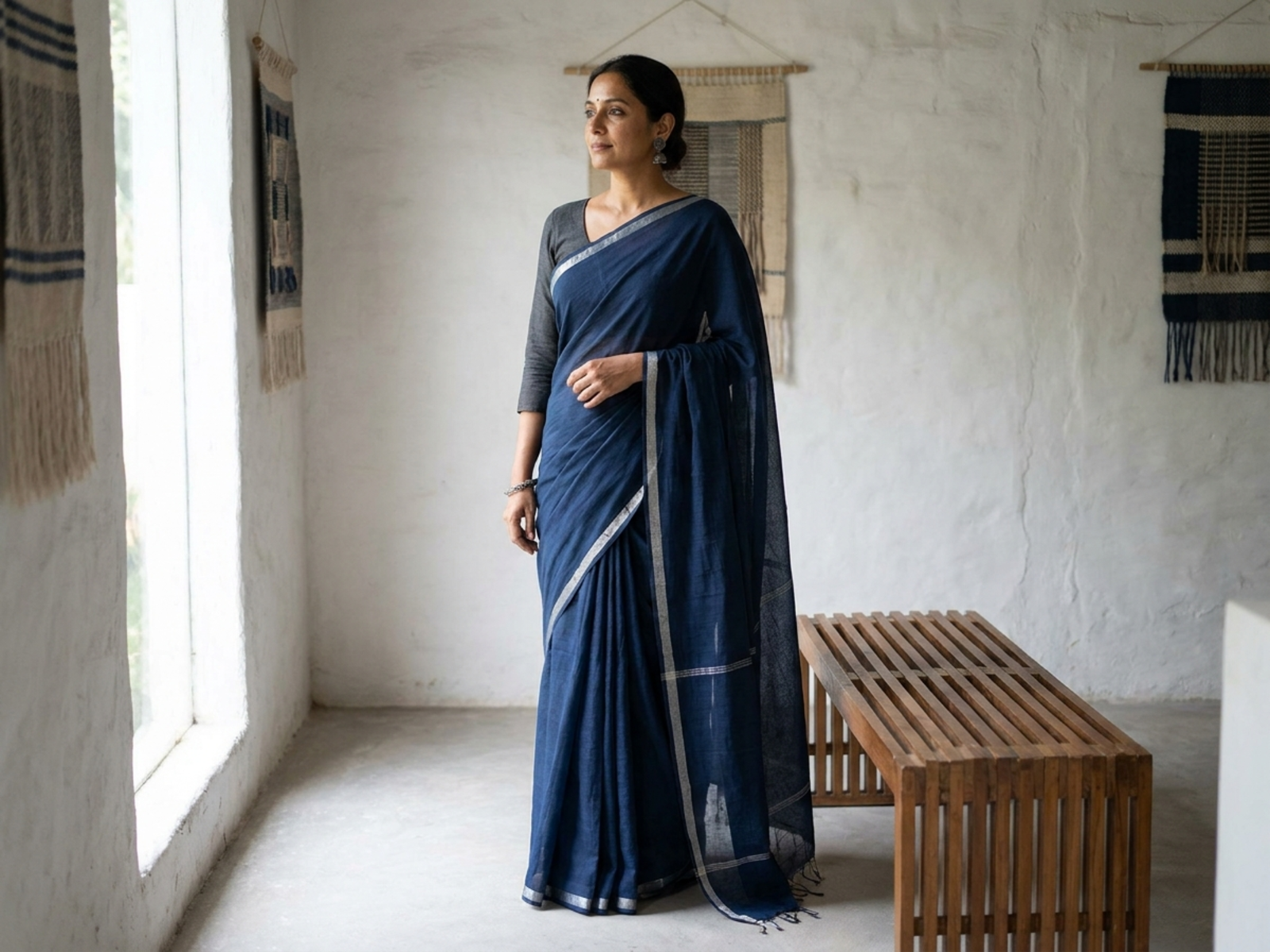
Explore festive, summer, and formal kurta directions with distinct cuts and textile details.

How to structure a kurta prompt

Ground the design in visible garment details and name cultural context only when you can represent it responsibly.

Subject

State fictional or authorized adult status, kurta length, cut, neckline, sleeves, closures, vents, bottoms, and accessories.

Textile and detail

Specify fabric, weave, palette, embroidery placement, stitch scale, trim, and finish without copying protected designer patterns.

Context and light

Choose an everyday, festive, formal, or accurately researched context, then describe light that reveals textile and construction.

Output

Request a full outfit portrait, front-back design board, tailoring study, fabric close-up, or authorized wardrobe preview.

How to use the AI Kurta Generator

Build a garment concept from silhouette to context, then review cultural and practical details.

01

Define the garment

Choose length, ease, collar, placket, sleeves, vents, hem, bottoms, layering, and footwear before adding decoration.

02

Add respectful specificity

Research named regional or ceremonial details, distinguish contemporary invention from tradition, and omit sacred elements used only as decoration.

03

Review before production

Treat the image as visual direction; a qualified maker should verify measurements, pattern, fabric behavior, construction, and fit.

AI kurta generator use cases

Create references for wardrobe exploration, original characters, and design conversations.

Festive styling boards

Compare palettes, textiles, surface work, bottoms, stoles, and footwear for a clearly described occasion.

Contemporary fashion concepts

Explore minimalist, workwear, layered, and formal kurta silhouettes without copying a living designer.

Authorized wardrobe previews

Visualize a kurta direction on a consenting adult while preserving their face, body, skin tone, and identity.

Why choose Omnilyra for kurta concepts

Structured prompts make garment construction, cultural context, image consent, and output framing explicit.

Garment-level control

Direct silhouette, textile, collar, closures, sleeves, vents, embroidery, bottoms, and accessories.

Respectful context

Separate original contemporary design from documented regional, religious, or ceremonial traditions.

Practical visual scope

Use outputs as references rather than proof of authenticity, fit, sewing feasibility, or material performance.

Try more image workspaces

Explore published tools for related garments and culturally specific fashion concepts.

AI Indian Woman Generator hero image for Indian woman portrait visuals with clear subject detail and polished composition

Create Indian woman portrait visuals with an AI image workspace tuned for AI indian woman generator searches. Control subject detail, scene, lighting, crop, and references before generating variants.

Try now

AI Indian Woman Generator

Contemporary saree editorial showing detailed drape and woven textile texture

Develop respectful saree visuals by naming the drape, textile, region, occasion, blouse, accessories, and setting instead of relying on a single generic cultural look.

Try now

AI Saree Generator for Region-Aware Styling

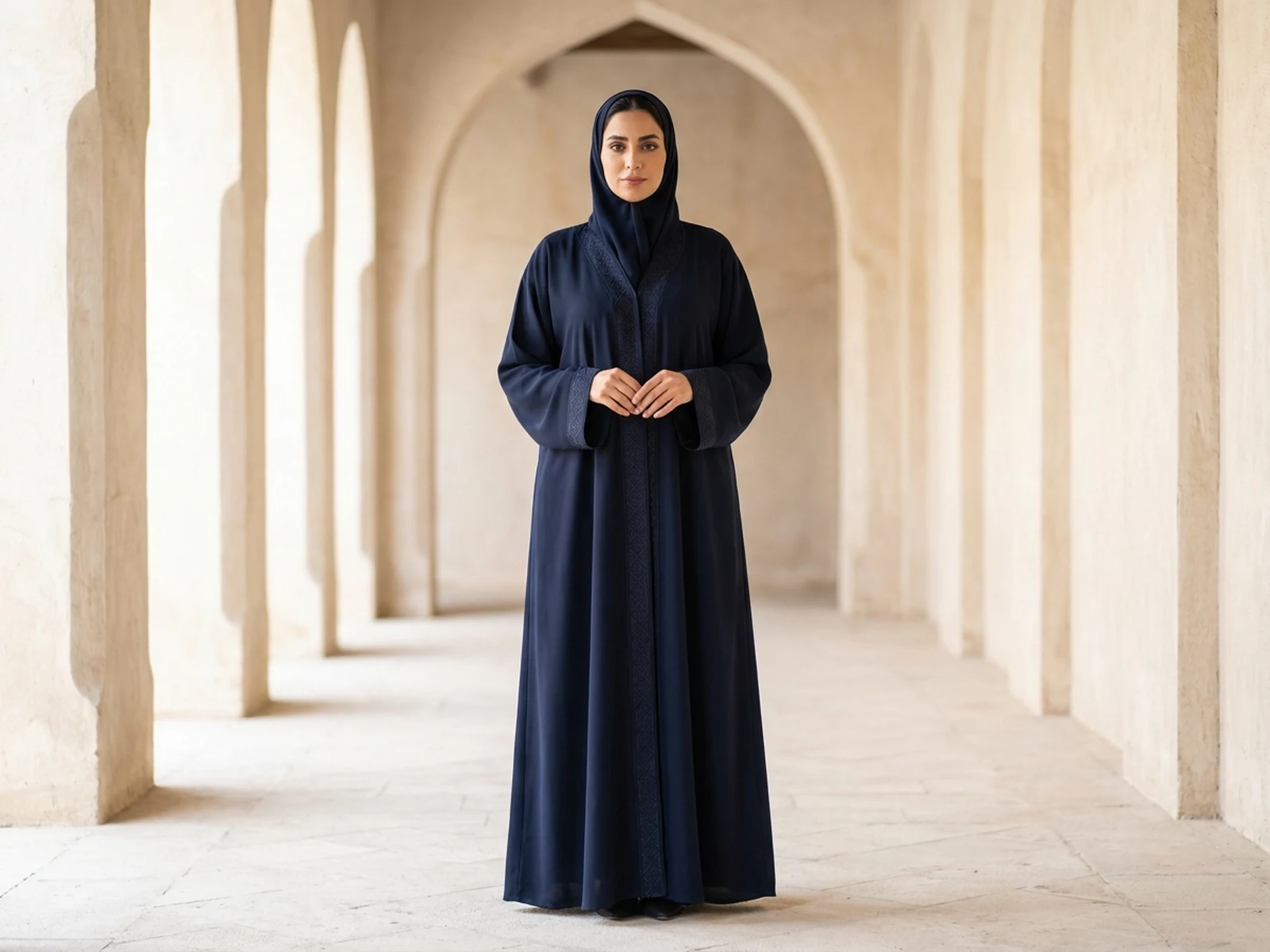
Adult model wearing an original navy abaya in a pale stone colonnade

Create respectful abaya concepts, modest fashion lookbooks, fabric studies, embroidery details, and ecommerce-ready garment images while controlling subject, scene, light, composition, and output format.

Try now

AI Abaya Generator

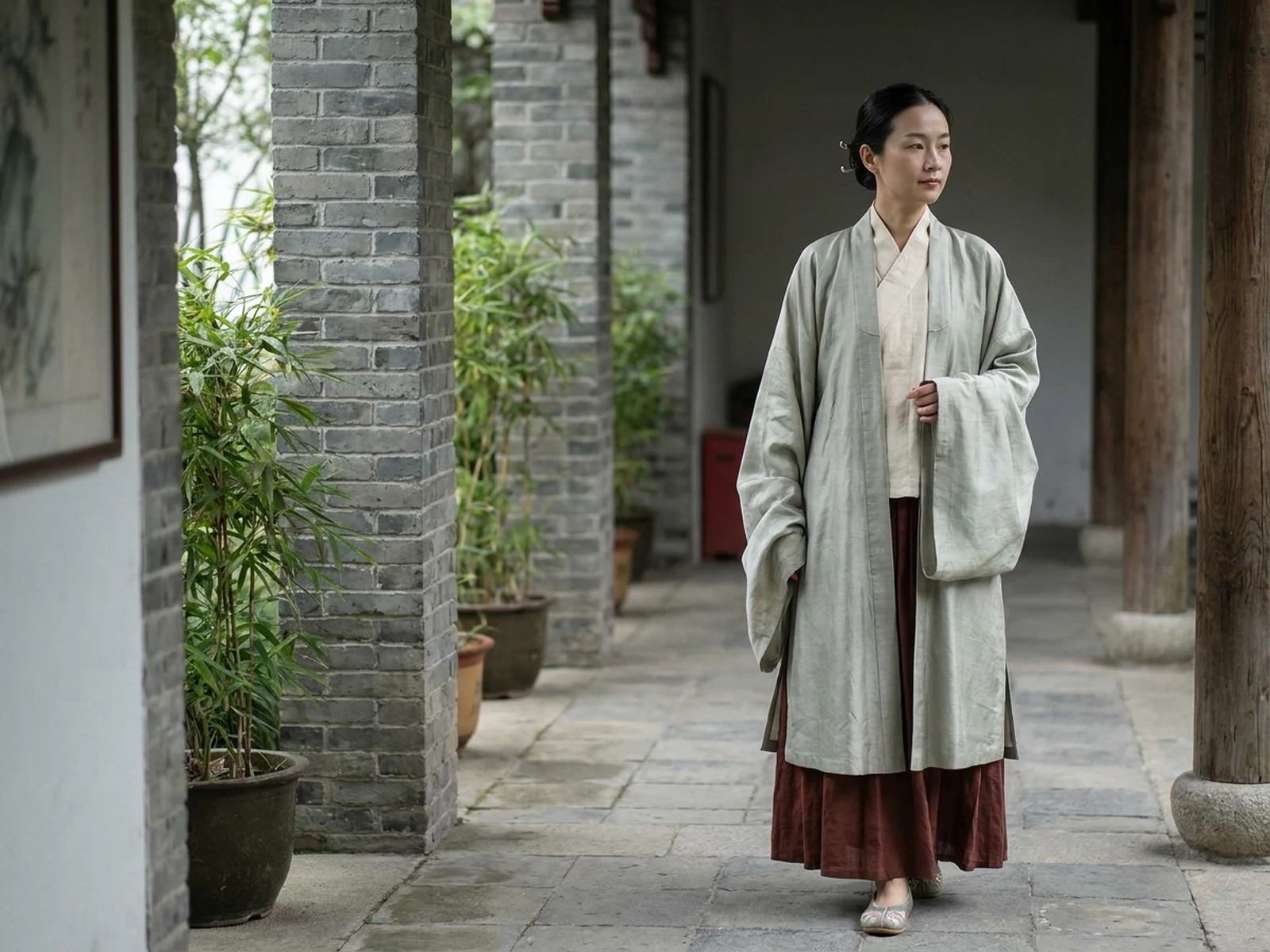
Adult model in a Song-inspired beizi and pleated skirt with documented garment details

Create respectful hanfu visuals by naming a period reference, garment forms, layers, textile, occasion, and setting instead of blending Chinese dress into a generic fantasy costume.

Try now

AI Hanfu Generator with Period-Aware Garment Direction

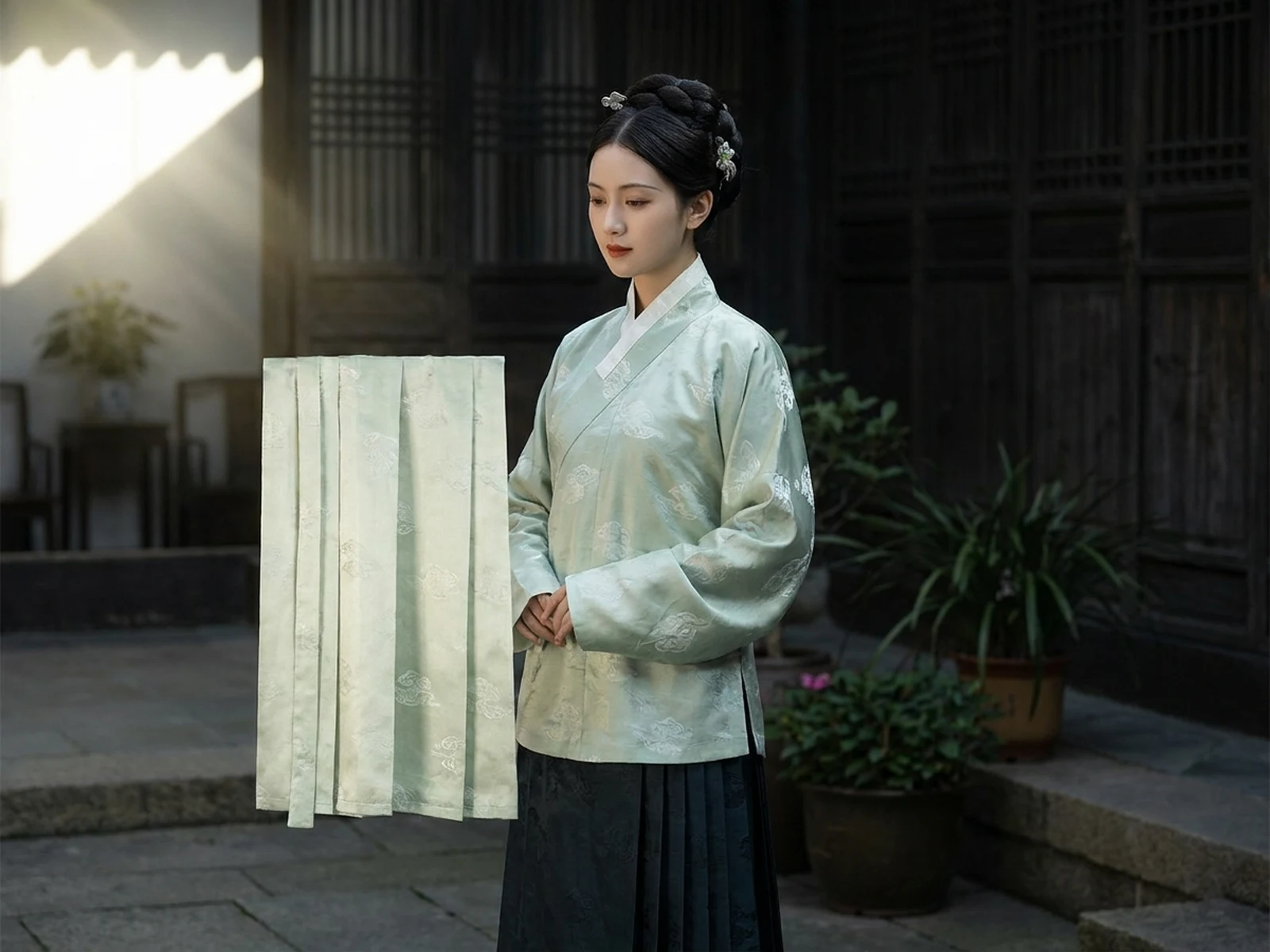
Original late Ming inspired aoqun fashion editorial concept

Develop original Chinese fashion editorials by naming a period, garment structure, textile, and setting. Keep Hanfu, qipao, regional dress, and contemporary Chinese fashion distinct rather than blending them into a generic costume.

Try now

AI Chinese Fashion Generator for Specific, Respectful Visuals

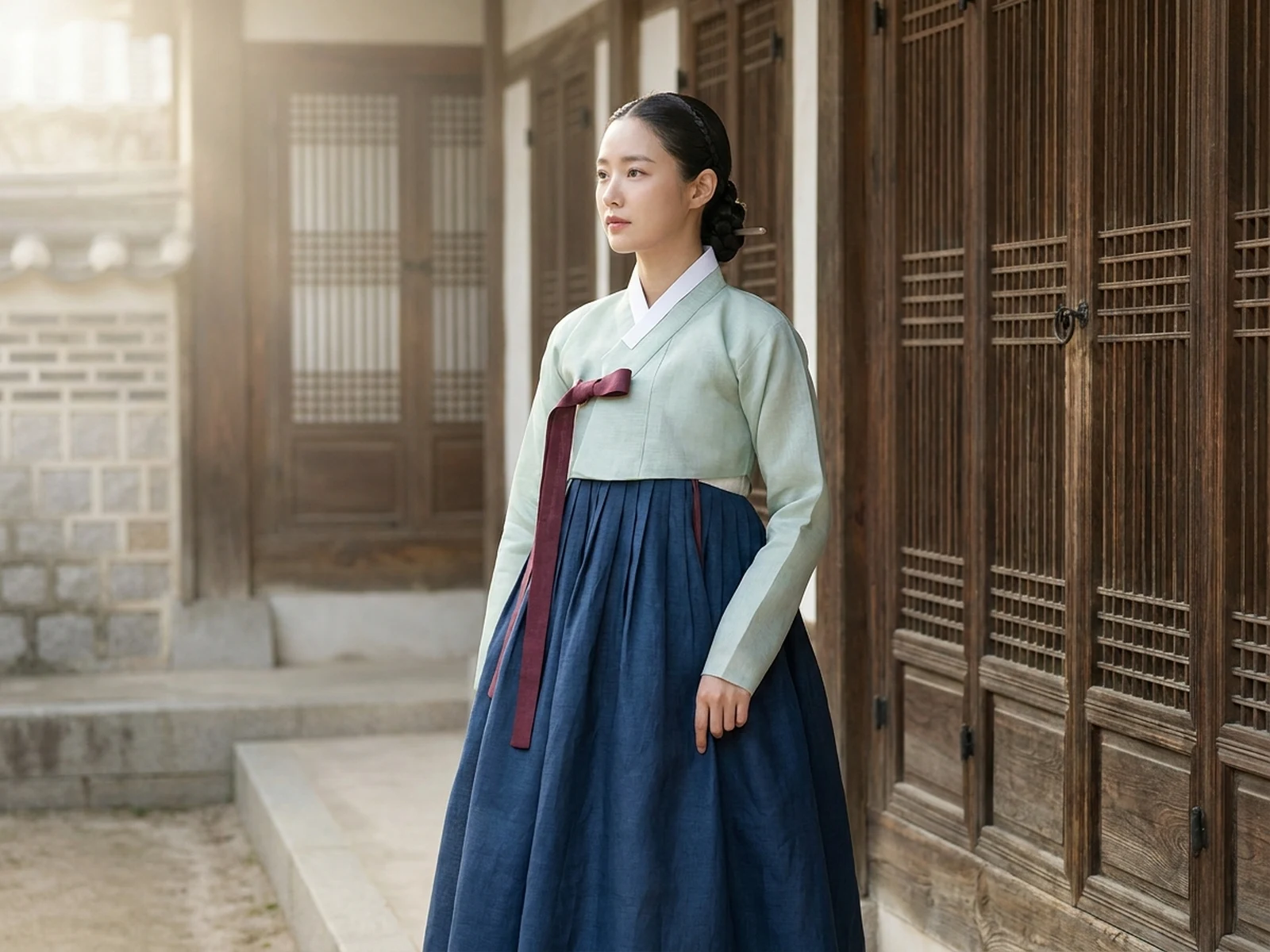
Original Joseon-era-inspired Hanbok editorial with jeogori and chima

Create original Hanbok editorials by naming the wearer, period or contemporary context, garment pieces, textiles, and occasion. Keep Korean dress traditions distinct rather than blending them with Hanfu, kimono, or generic fantasy costume.

Try now

AI Hanbok Generator for Specific, Respectful Visuals

AI Kurta Generator FAQ

Can I generate a kurta for a specific ceremony or region?

Yes, when you research and name the context accurately. Avoid blending sacred or community-specific details casually, and label invented combinations as contemporary concepts.

Can I preview a kurta on a real person?

Only with that adult's permission. Preserve their identity and body unless they explicitly request another authorized change.

Does the image guarantee tailoring accuracy?

No. A tailor or pattern maker must verify measurements, ease, closures, seam placement, fabric behavior, and construction.

What makes a strong kurta prompt?

Specify wearer authorization, silhouette, length, collar, sleeves, textile, embroidery placement, coordinated pieces, context, light, view, and cultural boundaries.