OOmnilyra

AI Chinese Fashion Generator for Specific, Respectful Visuals

Develop original Chinese fashion editorials by naming a period, garment structure, textile, and setting. Keep Hanfu, qipao, regional dress, and contemporary Chinese fashion distinct rather than blending them into a generic costume.

Period-specific directionRespectful garment contextOriginal editorial concepts

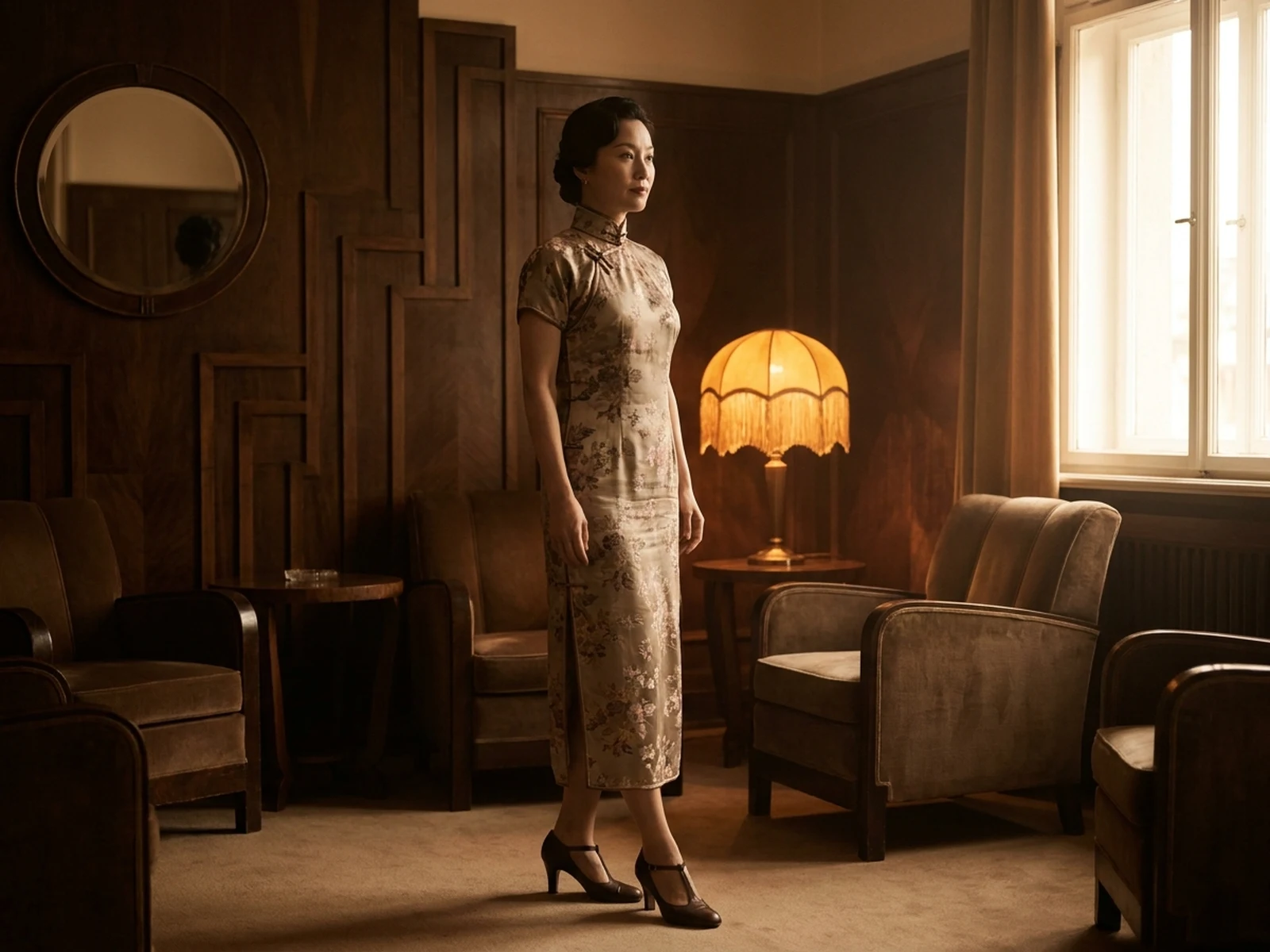
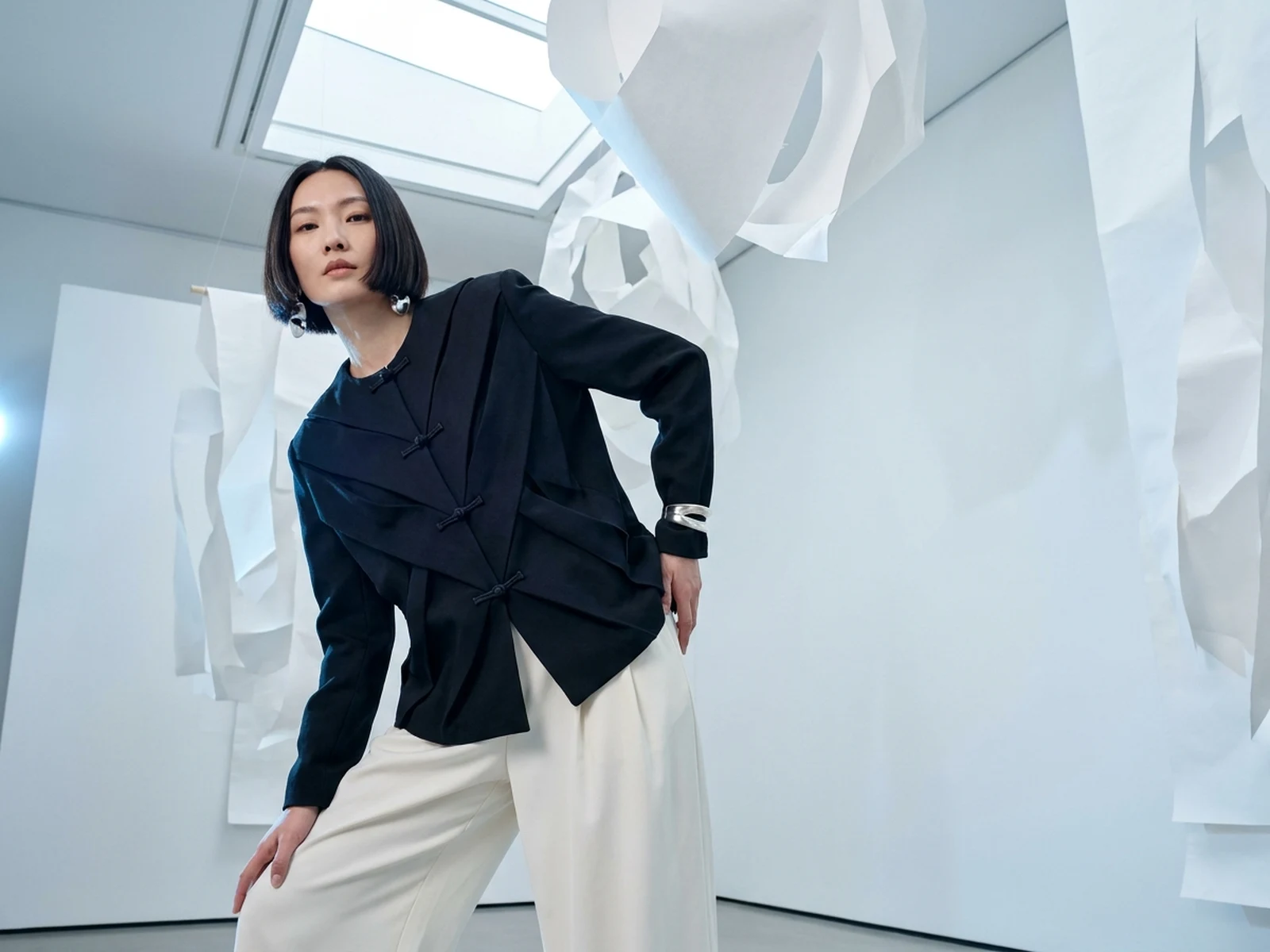
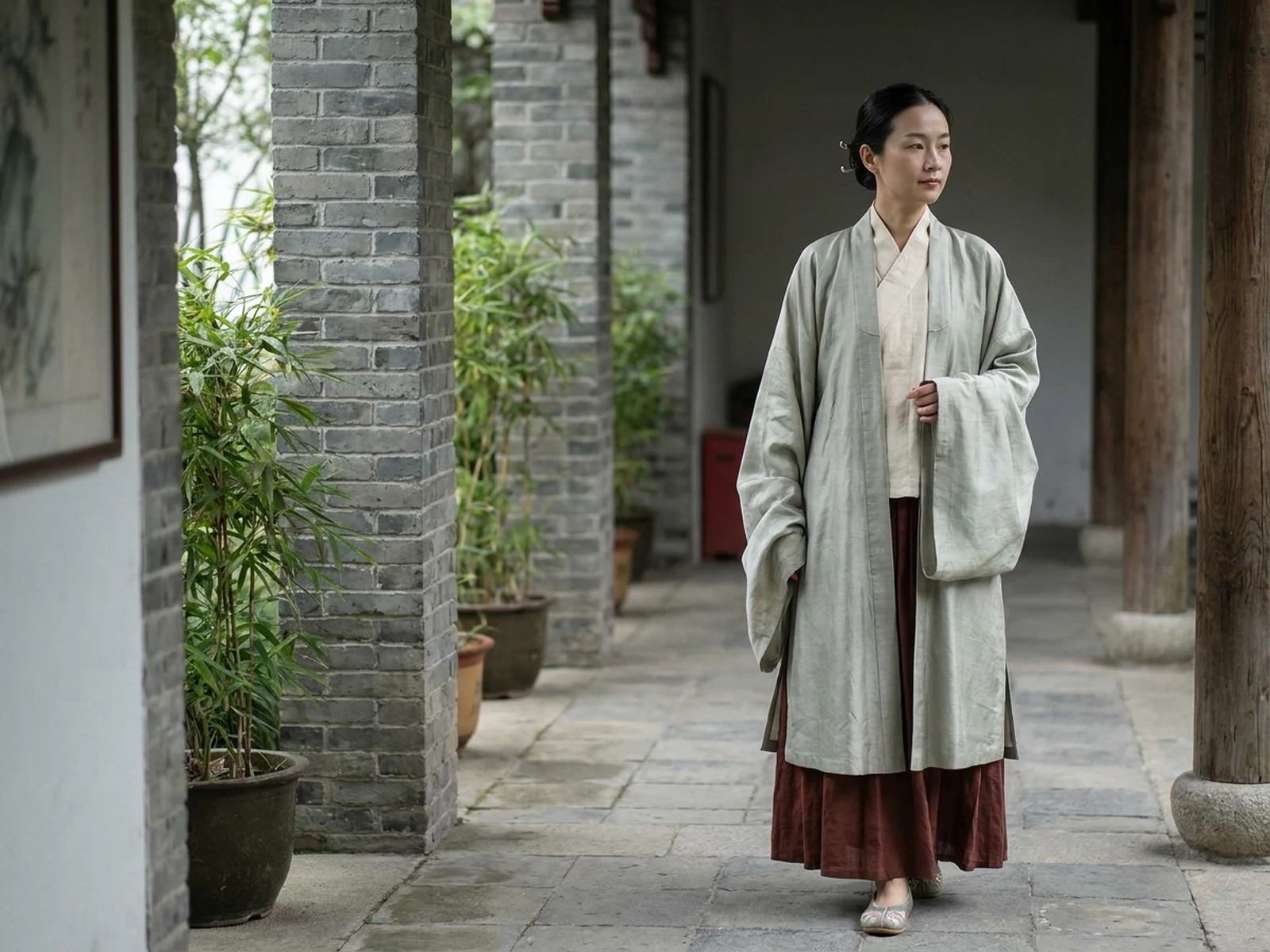
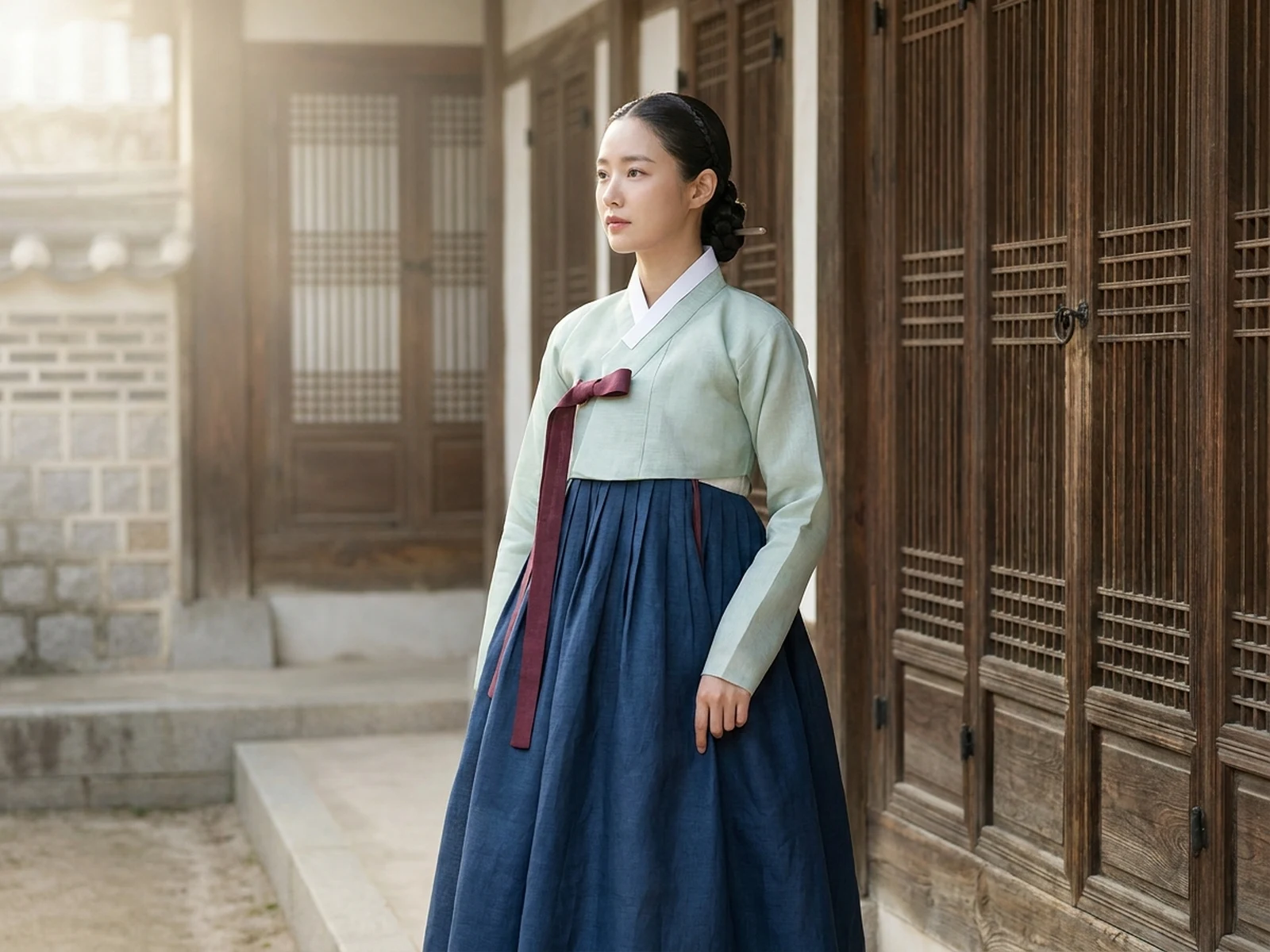
AI Chinese fashion prompt examples

Explore distinct historical and contemporary directions without collapsing them into one visual tradition.

How to structure a Chinese fashion prompt

Strong prompts identify cultural and historical context before describing visual style.

Subject

Name an adult wearer, a specific period or contemporary context, garment pieces, construction, textile, accessories, and hairstyle.

Scene

Choose a context-appropriate courtyard, studio, interior, street, archive-inspired set, or contemporary gallery without unrelated cultural props.

Light

Describe directional light that reveals textile weave, layering, closures, embroidery, pleats, and silhouette.

Output

Request an editorial portrait, garment study, lookbook frame, collection board, or respectful creative interpretation.

How to use the AI Chinese Fashion Generator

Start with a named garment tradition or contemporary design brief, then keep every visual choice consistent with that scope.

01

Choose a precise context

State the dynasty, decade, region, community, or contemporary fashion direction instead of asking for generic Chinese clothing.

02

Describe garment construction

Specify layers, collars, closures, skirts or trousers, textiles, motifs, accessories, and styling with source-aware language.

03

Review cultural accuracy

Remove mixed traditions and unsupported claims; consult qualified references before using an image for education, heritage interpretation, or reconstruction.

AI Chinese fashion concept use cases

Use the workspace for original visual development, respectful editorial planning, and clearly labeled creative interpretation.

Period-inspired editorials

Plan visually coherent fashion stories around a named period while avoiding claims of exact historical reconstruction.

Contemporary collection concepts

Develop original silhouettes that reference materials or construction ideas without copying designers or treating heritage as decoration.

Garment study boards

Compare layers, textiles, closures, accessories, and full-length silhouettes for research-led creative discussion.

Why choose Omnilyra for Chinese fashion visuals

Structured prompts help keep period, garment system, textile, scene, and respectful framing aligned.

Context-first prompting

Separate Hanfu periods, qipao history, regional clothing, and contemporary fashion before generating.

Detailed textile control

Direct weave, embroidery density, pleats, layers, fastenings, accessories, and lighting in one brief.

Reference-aware workflow

Use authorized visual references while preserving source context and checking factual claims independently.

Try more image workspaces

Explore published tools for specific garment traditions and original textile concepts.

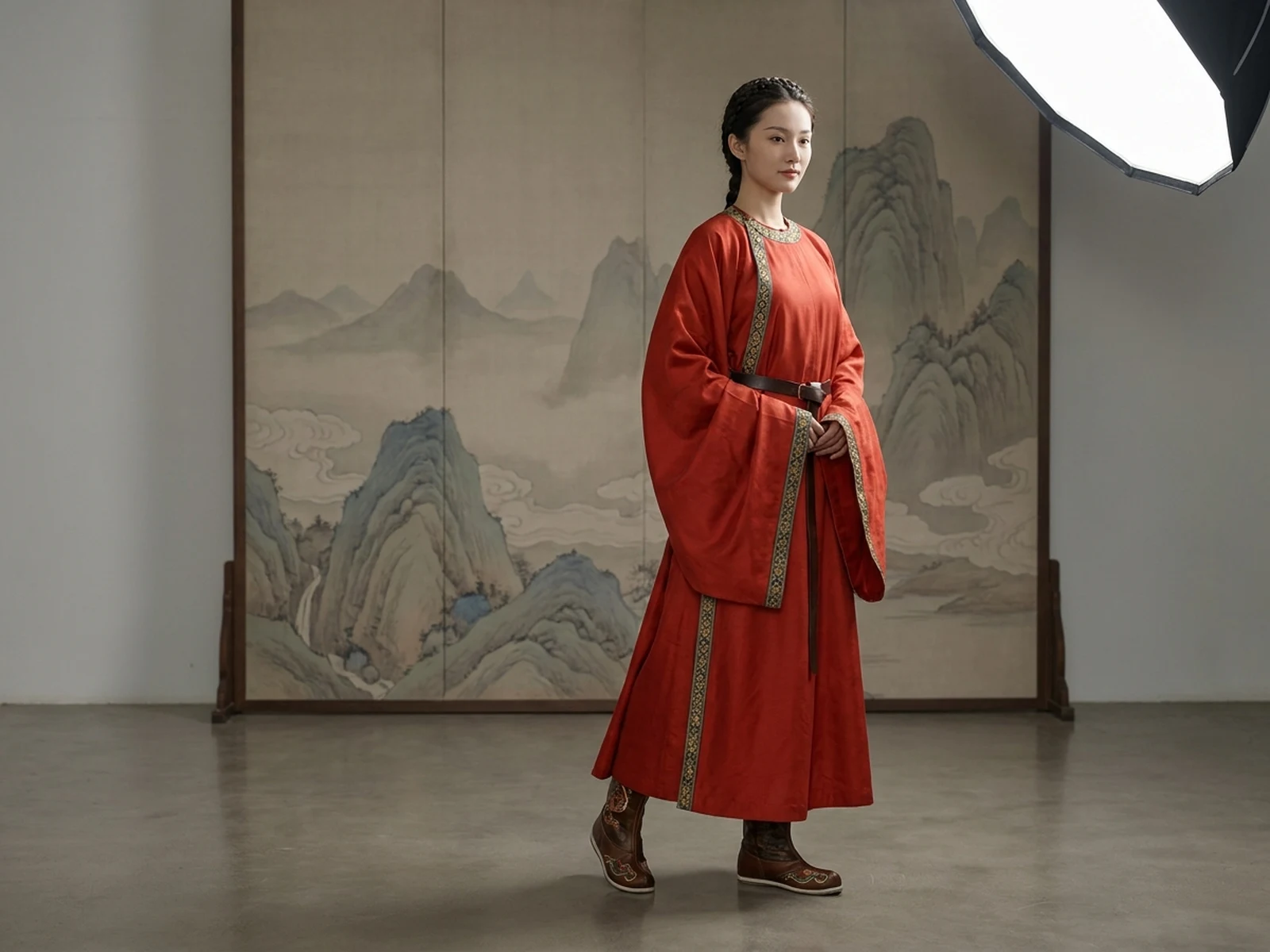
Adult model in a Song-inspired beizi and pleated skirt with documented garment details

Create respectful hanfu visuals by naming a period reference, garment forms, layers, textile, occasion, and setting instead of blending Chinese dress into a generic fantasy costume.

Try now

AI Hanfu Generator with Period-Aware Garment Direction

Original Joseon-era-inspired Hanbok editorial with jeogori and chima

Create original Hanbok editorials by naming the wearer, period or contemporary context, garment pieces, textiles, and occasion. Keep Korean dress traditions distinct rather than blending them with Hanfu, kimono, or generic fantasy costume.

Try now

AI Hanbok Generator for Specific, Respectful Visuals

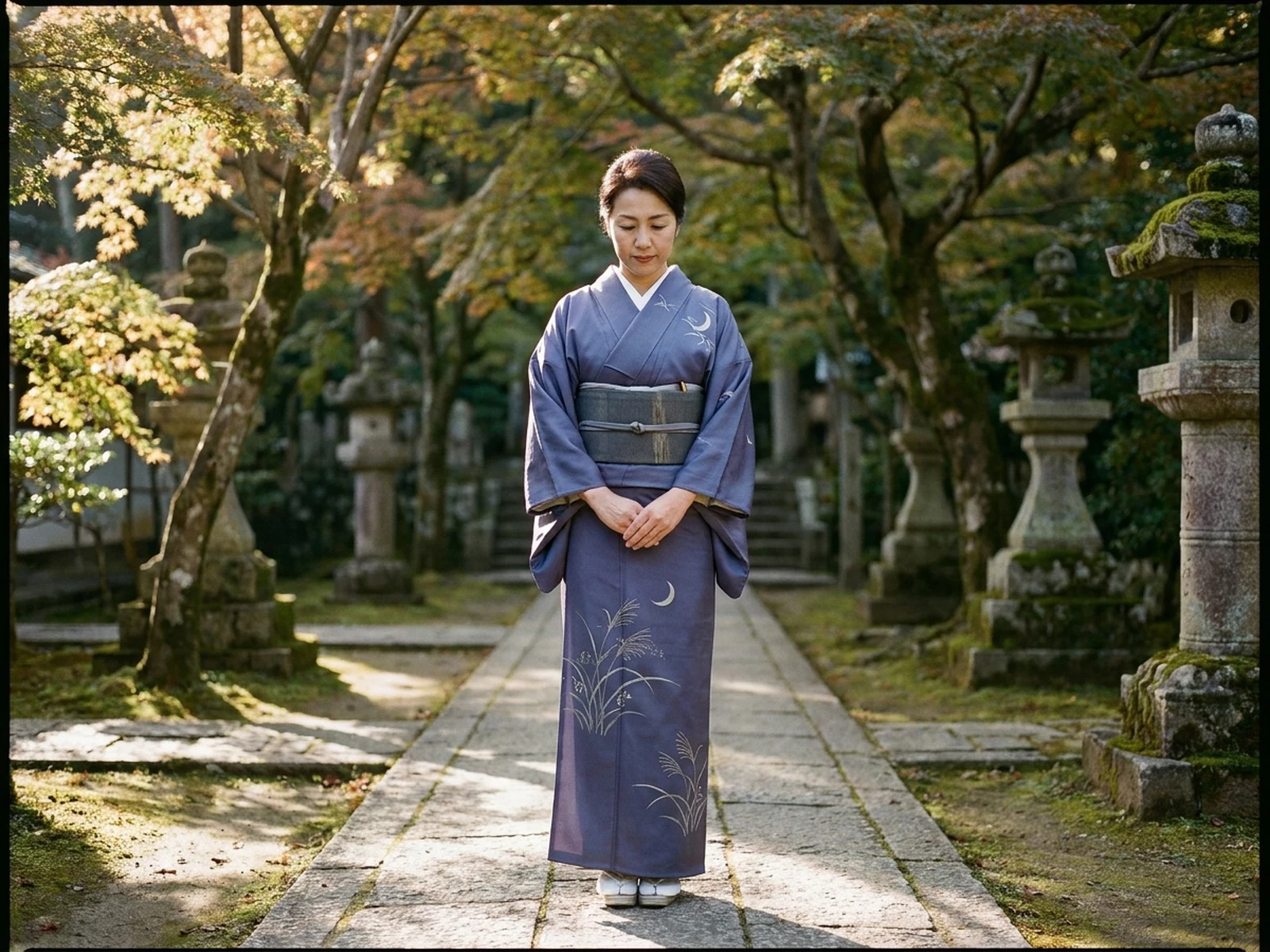
Adult model wearing an original indigo kimono on a quiet garden walkway

Create respectful kimono concepts, textile pattern studies, coordinated obi designs, seasonal lookbooks, and garment presentation images while controlling subject, scene, light, composition, and output format.

Try now

AI Kimono Generator

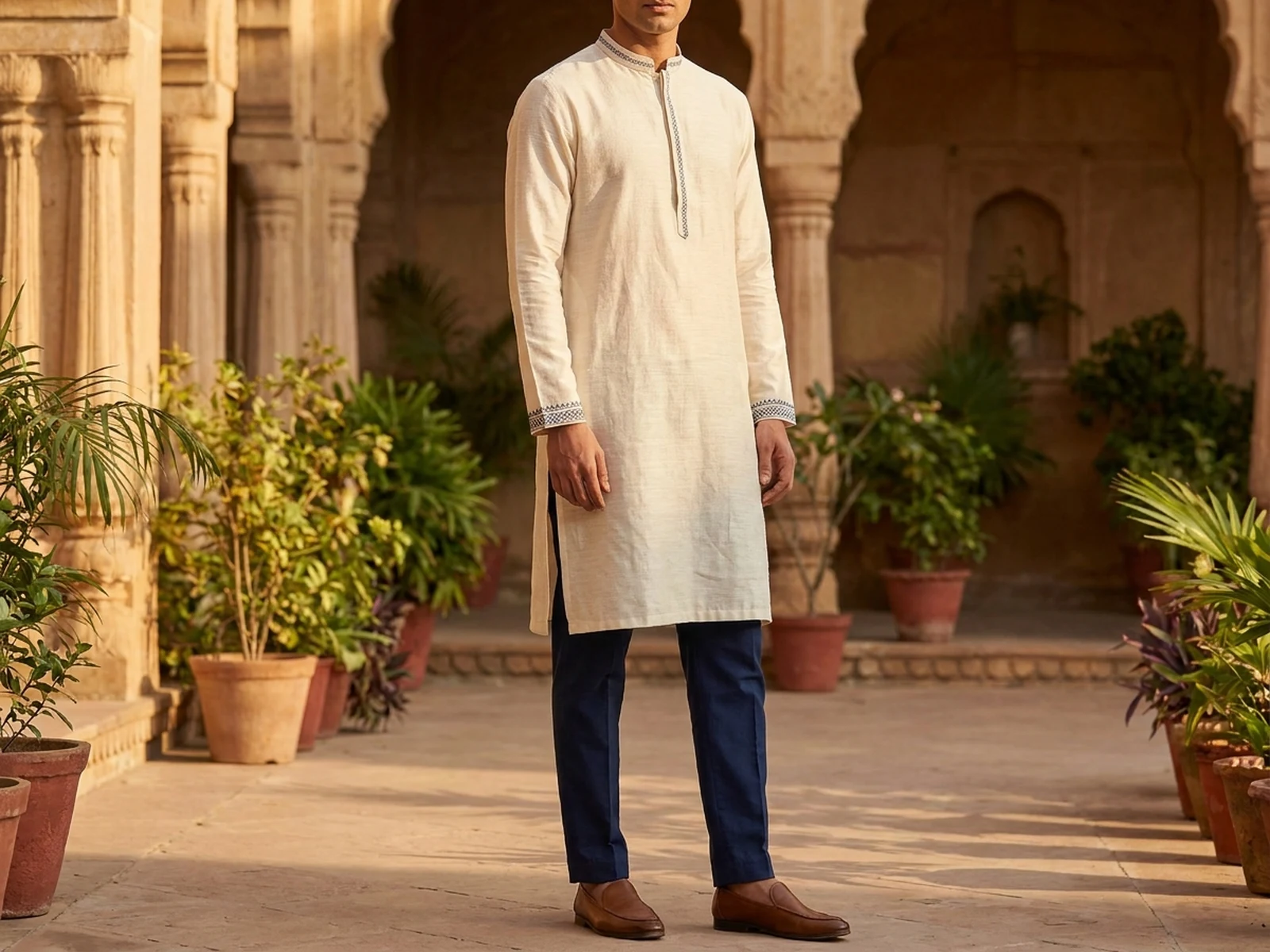
Original ivory kurta concept with geometric embroidery

Visualize kurta silhouettes, fabrics, collars, embroidery, and coordinated layers for fictional adults or authorized portraits. Describe a specific regional or ceremonial context accurately when relevant, and avoid presenting invented details as authentic tradition.

Try now

AI Kurta Generator for Original, Respectful Styling

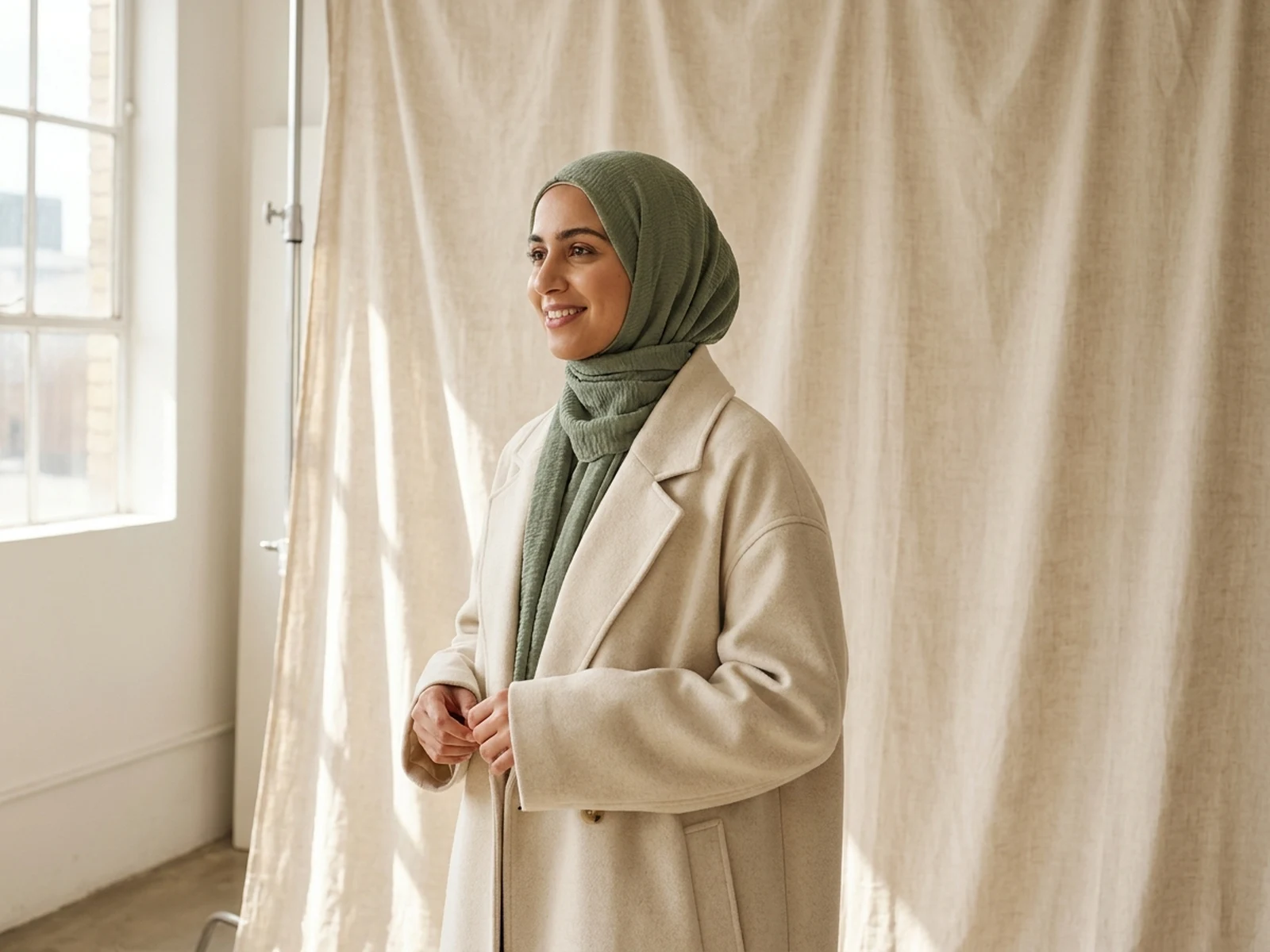
Modern modest fashion portrait with textured hijab, cream coat, soft fabric backdrop, and editorial studio lighting

Generate modest fashion portraits, hijab lookbook concepts, profile images, and campaign-ready visuals with prompts that respect styling, fabric, light, and context.

Try now

AI hijab photo generator

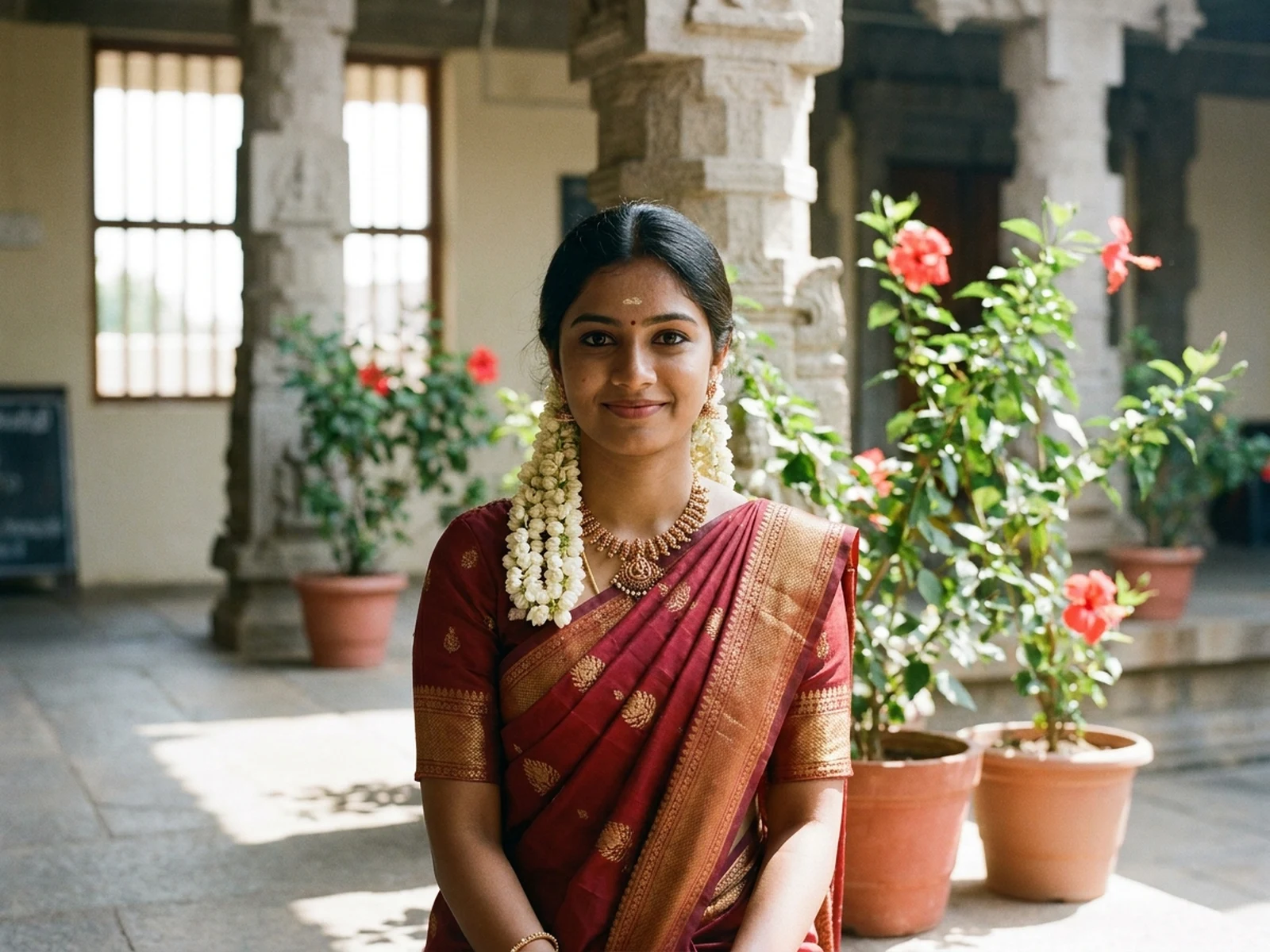
AI Tamil Girls Generator hero image for respectful Tamil-inspired portrait visuals with clear subject detail and polished composition

Create respectful Tamil-inspired portrait visuals with an AI image workspace tuned for AI tamil girls generator searches. Control subject detail, scene, lighting, crop, and references before generating variants.

Try now

AI Tamil Girls Generator

AI Chinese Fashion Generator FAQ

What should I include in a Chinese fashion prompt?

Name a specific period, region, community, or contemporary context, then describe garment pieces, construction, textile, accessories, setting, light, and intended output.

Are Hanfu and qipao the same type of clothing?

No. They have distinct histories and garment systems. Identify the intended tradition and period instead of blending them together.

Can generated images be used as historical evidence?

No. Treat them as visual concepts and verify dates, construction, terminology, and cultural context with qualified scholarship and primary sources.

Can I upload a fashion reference?

Yes, if you are authorized to use it. Preserve its cultural and historical context, and do not copy a designer's protected work.